You walk into the bathroom in Georgetown and see the bowl creeping past the rim. Your hand reaches for the plunger, the tank starts refilling, and the water keeps rising anyway. In that moment, the fastest way to make the damage worse is to react without stopping the source.
Toilet overflow cleanup is a sanitation problem first and a flooring problem second. Overflow water may contain bacteria, viruses, or parasites, and raw sewage can expose people to illnesses including cholera, dysentery, hepatitis, cryptosporidiosis, and giardiasis, as described in EPA-related health guidance on toilet overflow contamination. The visible puddle may be small, while moisture has already traveled beneath flooring, into baseboards, or through a wall cavity.
The first job is to stop the flow. The second is to identify what kind of water escaped. The third is to clean, disinfect, and dry the structure without spreading contamination through the house. In Central Texas, where heavy storms can overload drainage systems and older homes may have complicated plumbing routes, those decisions matter more than the speed of the first mop pass.
What to Do the Moment the Toilet Overflows
A homeowner in Georgetown usually has less than a minute to make the right first decisions. The bowl rises, the tank hisses, and the instinct is to flush again or plunge harder. Ignore that instinct until the water supply is stopped.
The first sixty seconds
-
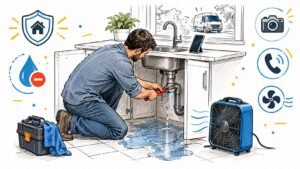
Stop the tank from refilling. Lift the tank lid and raise the float, or turn the supply valve behind the toilet clockwise. If you can't reach the valve safely, lifting the float can stop additional tank water immediately.
-
Keep your hands out of the overflow. Toilet water isn't safe to handle casually, even when it looks clear. Keep children and pets outside the bathroom, and don't track the water into the hallway.
-
Create a boundary. Grab old towels and roll them across the bathroom doorway. Move bath mats, rugs, cardboard, laundry, and other absorbent items to a dry area only if you can do so without stepping through contaminated water.
-
Stop using nearby fixtures. A blocked drain line can react to water from sinks, tubs, or another toilet. Until the cause is clear, treat additional water use as a possible source of more flooding.
For a stuck or unfamiliar valve, use this guide to locating the home's water shut-off valve. Don't force a corroded valve. A broken supply fitting can create a pressurized leak that is harder to control than the original overflow.
Practical rule: Stop the water before you try to save the floor.
Make a quick risk assessment
Clean supply water from a failed tank component is different from water that has passed through the bowl and drain. Urine contamination raises the sanitation concern, while fecal material or sewage places the event in the highest-contamination category used in restoration work. If the water is cloudy, foul-smelling, contains solids, or is rising from the drain rather than just spilling from the bowl, keep people out and plan for professional assistance.
Don't panic, but don't minimize it either. A controlled response can prevent a small bathroom incident from becoming a larger structural and health problem.
Stopping the Water and Containing the Mess
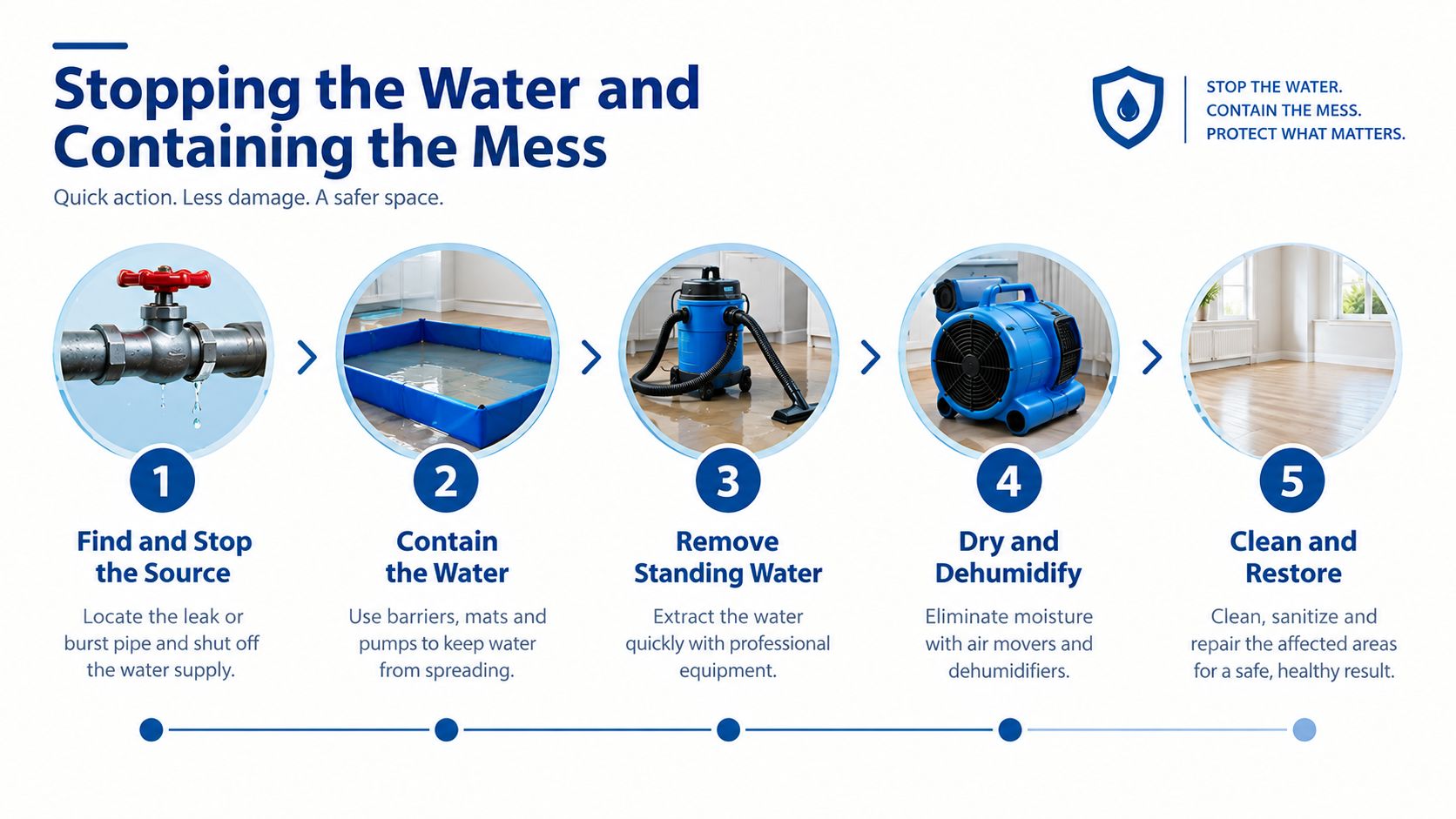
Source control determines whether cleanup can begin. Stand beside the toilet, not in the water, and work through the controls in an order that keeps the situation contained.
Shut the local supply first
Turn the valve behind the toilet clockwise. Test it by carefully moving the float or flushing only after you've confirmed the bowl has room and the valve has stopped the tank from filling. If the valve won't turn, feels brittle, or starts leaking around the stem, stop applying force and shut off the home's main supply instead.
If water is coming from the tank, the supply line, or the toilet base, don't keep flushing to “clear” the problem. If several fixtures are slow, gurgling, or backing up, stop using water on that plumbing branch. A local toilet clog and a main sewer restriction require different repairs, and more flushing can push contaminated water into the room.
Build a containment zone
Use rolled towels at the doorway to slow spread, then remove porous contents from the bathroom. Place wet rugs and bath mats in sealed bags or a washable container rather than carrying them through finished areas. Cardboard should be discarded if it has absorbed contaminated water.
A wet-dry vacuum can help remove standing water from a clean-water incident, but don't use one on confirmed sewage without appropriate respiratory, eye, skin, and equipment protection. Household vacuums aren't designed for this exposure, and careless extraction can aerosolize contaminated droplets.
Keep the affected area isolated
Close the bathroom door when possible, but don't block safe ventilation. If you use a fan, direct air toward an exterior window or out of the room, not across the contaminated floor toward bedrooms. Don't assume water is clean because it has no obvious odor. Public-health guidance treats sewage exposure as a potential source of skin infections, gastrointestinal illness, and infection through accidental ingestion, so avoid bare feet and casual contact.
Cleaning and Disinfecting the Affected Area
The cleaning sequence matters more than the brand on the bottle. Disinfectant works poorly when organic soil remains on the surface, so the reliable order is remove contamination, wash, then disinfect.
Protect yourself before handling waste
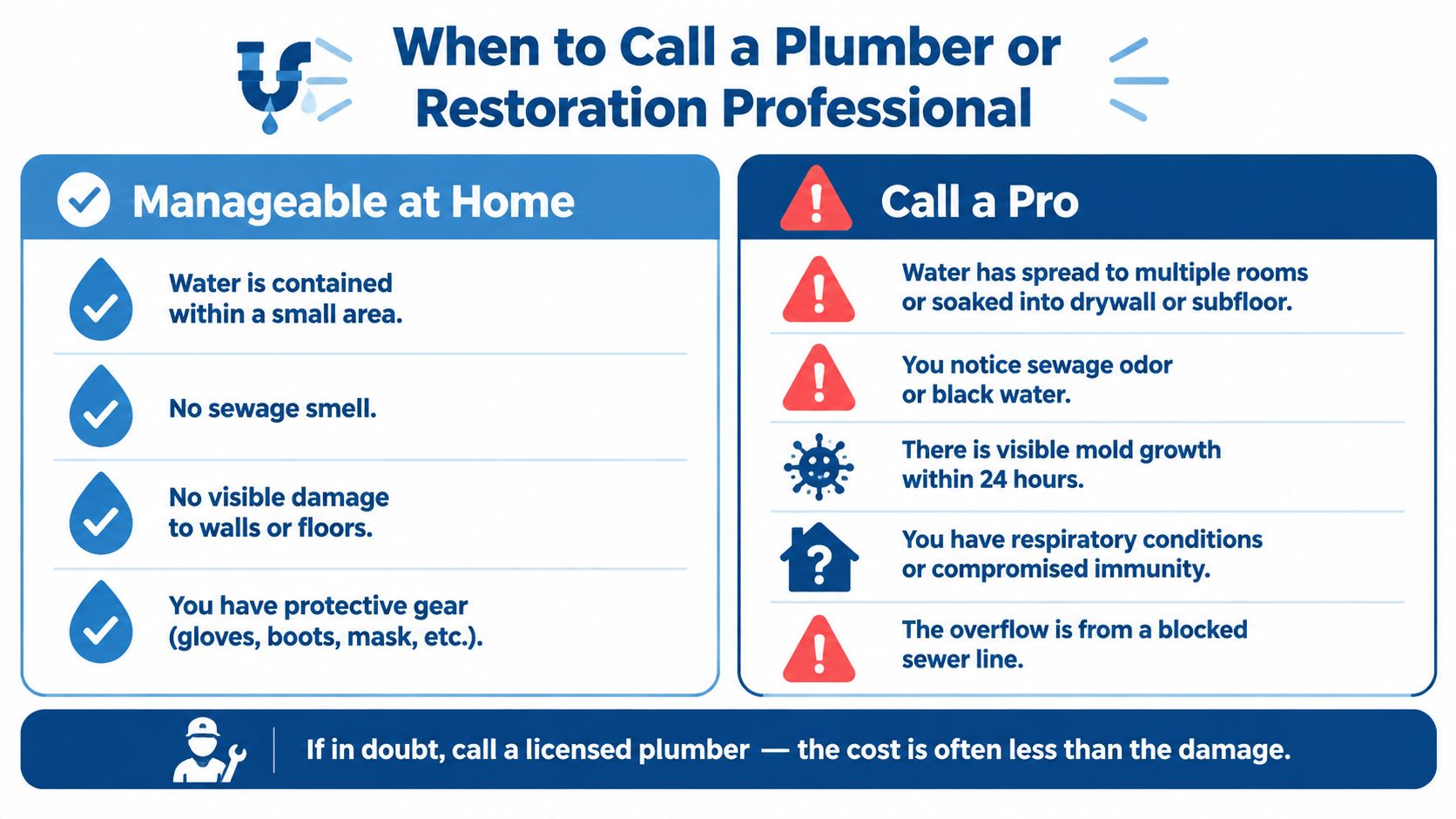
Wear nitrile or rubber gloves, eye protection, closed shoes, and clothing that can be washed separately. A properly fitted N95 or a more protective respirator may be appropriate when contamination is extensive, ventilation is poor, or drying will disturb residue. Anyone with respiratory conditions, compromised immunity, or a medical reason to avoid exposure should not perform sewage cleanup.
Use a disposable scoop or scraper for solids. Place waste in a heavy-duty bag, then seal it inside a second bag before moving it out of the room. Keep cleanup tools away from kitchen sinks, laundry areas, and other household surfaces.
Wash before disinfecting
For hard, non-porous surfaces, use warm water and detergent to remove the organic load. Clean the floor, toilet exterior, base, flush handle, supply valve, nearby trim, and any fixtures touched by overflow water. Use a brush for joints and corners, then wipe away dirty solution rather than spreading it across a larger area.
After washing, apply an EPA-registered disinfectant according to its label. A public-health alternative is a fresh bleach solution containing no more than 1 cup of bleach per 1 gallon of water, following Illinois public-health cleanup guidance. Keep the surface visibly wet for the label's required contact time.
Never mix bleach with ammonia, acids, or other cleaners. Use fresh solution as directed, label the container, and keep it away from children and pets.
Know what cleaning can't fix
Grout may be cleanable when contamination stays on the surface, but caulk seams, unfinished wood, carpet pad, soaked drywall, and other porous materials can retain contamination below the visible surface. If a porous item can't be thoroughly washed, laundered, and dried, disposal is usually safer than trying to preserve it.
Seal waste, sanitize reusable tools, remove protective clothing carefully, and wash your hands and body after the work. If contamination reached the subfloor, wallboard, or multiple rooms, the DIY boundary has been crossed.
Drying the Bathroom and Checking for Hidden Moisture
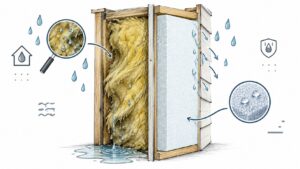
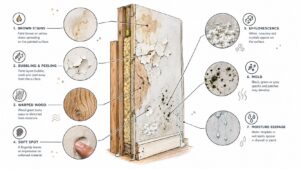
The puddle you can see is often the smallest part of the loss. Water can wick under the toilet flange, beneath vinyl or luxury vinyl plank, behind baseboards, and into the seam where the floor meets the wall. In slab homes, moisture can remain at flooring edges and transitions. In pier-and-beam construction, it may affect the subfloor from above and below.
Surface drying isn't a dry standard
Remove standing water first with suitable extraction equipment. Pull rugs and loose contents, inspect flooring edges, and look for swelling at baseboards or seams. If floating flooring has trapped water underneath, lifting a section may reveal wet underlayment, but don't tear out glued flooring or cut walls without considering documentation and the possibility of hidden utilities.
The CDC's environmental control guidance recommends restoring the sewage system, removing solids, draining the area, cleaning hard surfaces, and replacing porous structural materials that can't be cleaned and dried within 72 hours. Public-health sources also emphasize drying affected areas within 24 to 48 hours to reduce mold amplification risk.
Check the places the eye misses
Run dehumidification and controlled air movement through the affected room. Fans should move air across damp surfaces while dehumidifiers remove moisture from the room, with doors and windows managed according to outdoor humidity. Don't point a box fan at the toilet and assume the job is done.
Check the baseboard line, toilet flange, flooring perimeter, adjacent closet, and the wall behind the toilet. A moisture meter can help compare affected areas with dry, unaffected materials. Use this moisture-meter reading guide to understand why a surface reading alone may not represent the condition below it.
Record locations and readings as you work. Restoration technicians may also use thermal imaging to locate cooler, moisture-affected areas in subfloors and wall cavities, then verify the condition with direct meter readings. The goal isn't “the floor feels dry.” The goal is documented source control, decontamination, and drying through the affected assembly.
When to Call a Plumber or Restoration Professional
Some overflows end after a plunger, a shut-off valve, and careful surface cleaning. Others indicate a blocked branch line, a failing sewer connection, or moisture that has moved beyond the bathroom. Use the pattern of the event, not optimism, to decide who needs to come out.
Call a plumber for an active plumbing problem
A licensed plumber should inspect the system when the toilet backs up again after clearing, several drains gurgle, or wastewater appears around the base after another flush. A tub or shower backing up at the same time is especially concerning because it suggests the restriction may be beyond the toilet itself.
Stop using water and call promptly if the overflow comes from a blocked sewer line. Homes in older Georgetown neighborhoods may also need closer attention when there is a history of root intrusion, repeated backups, or unusual drain behavior. A plumber addresses the source. Drying equipment can't correct a blockage.
Call a restoration professional for building damage
Bring in a restoration crew when water has crossed into a hallway or bedroom, soaked carpet pad, entered drywall or subfloor, or remained undiscovered long enough for materials to stay wet. Sewage cleanup is a Category 3, high-contamination event in major restoration guidance, which changes the work from ordinary mopping to extraction, decontamination, material removal, and structural drying. The Indiana flood and sewage cleanup guide also emphasizes protective equipment, excess-water removal, disinfection, and ventilation or dehumidification.
A mold specialist may be appropriate when moisture readings remain high after drying efforts or occupants notice a persistent musty odor. Visible mold, respiratory symptoms, or vulnerable occupants should move the decision away from DIY cleanup.
Insurance, Documentation, and Filing Your Claim
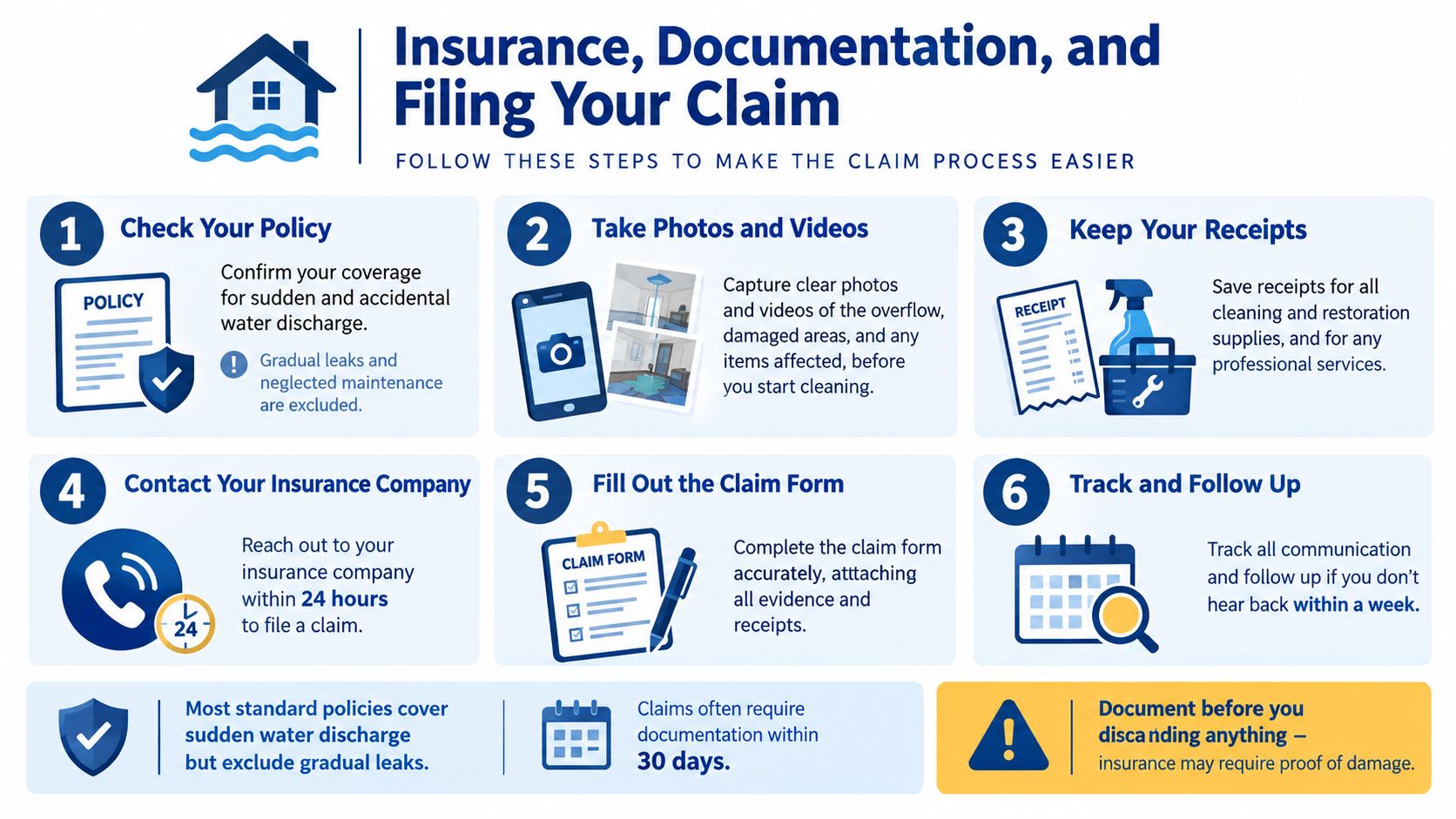
Insurance coverage usually turns on cause, not on the fact that water reached the floor. A sudden fixture failure may be treated differently from a sewer backup, recurring leak, or maintenance problem. Sewer-related backups often require separate water-backup coverage, and Farmers' coverage guidance notes that policy terms and the cause of the loss matter.
Document before you disturb the scene
If it's safe, photograph and video the toilet, supply connection, water line, flooring, baseboards, walls, and damaged contents before extraction. Capture wide views and close-ups. Photograph labels, serial numbers, and visible damage on affected belongings.
Keep a written timeline that includes when you found the overflow, when you shut off water, who inspected the plumbing, and what mitigation work followed. Save invoices and receipts for the plumber, extraction, dehumidifiers, cleaning products, replacement materials, and any temporary accommodation.
Avoid the common claim mistakes
Don't delay reasonable mitigation while waiting for an adjuster. Stopping the source, preventing spread, and protecting occupants are sensible first actions, but document what you did and preserve damaged materials where practical. If carpet, padding, drywall, or contents must be discarded for health or safety reasons, photograph them thoroughly and ask the insurer how they want the material handled.
The distinction between a fixture discharge and a sewer backup deserves a direct question to your agent. Ask whether your policy includes water-backup protection, what exclusions apply to gradual leaks or neglected maintenance, and whether special documentation is required for contaminated water losses.
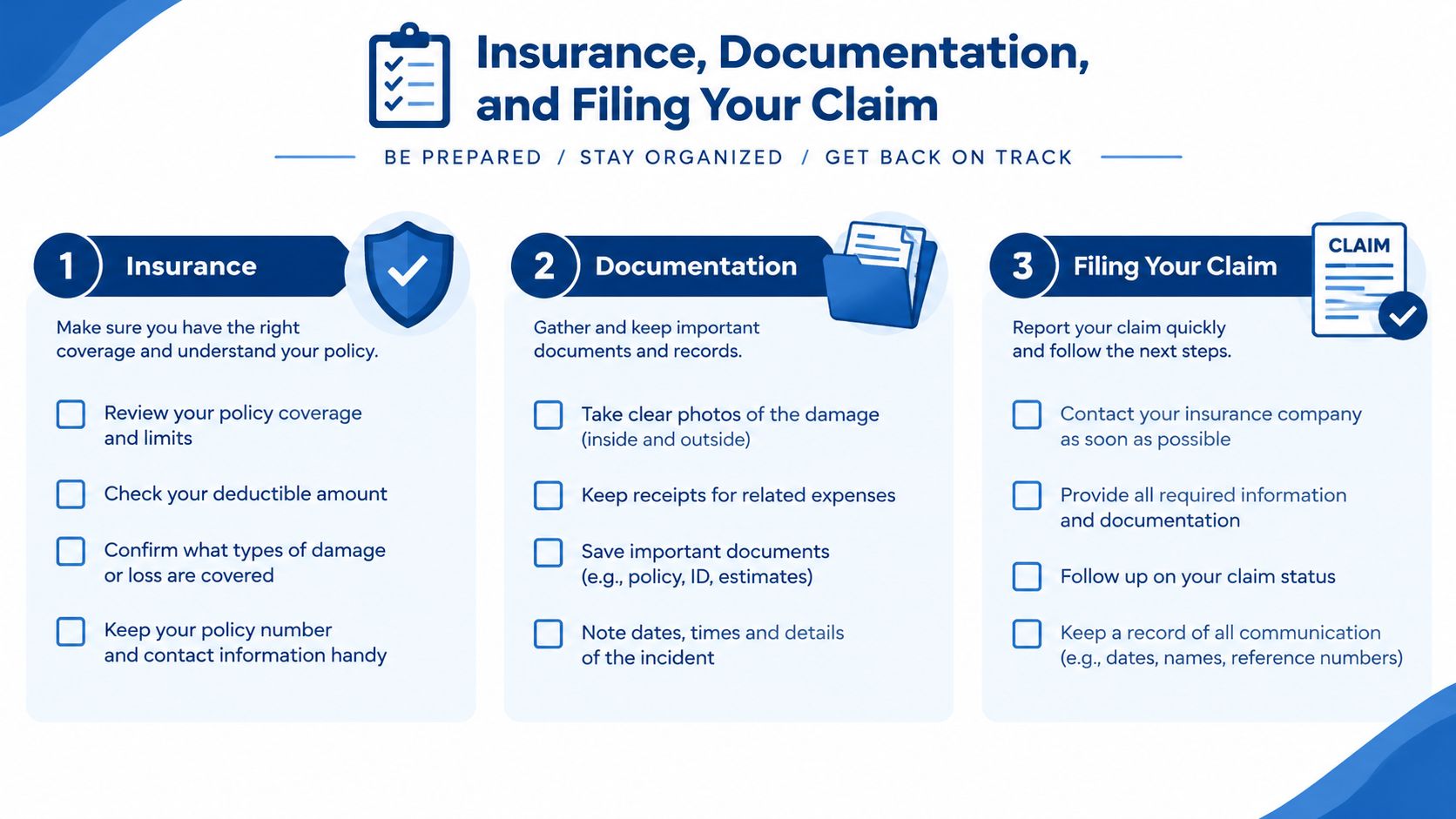
Use this water-damage claim resource as a checklist while you organize evidence. An accurate record helps the adjuster separate emergency mitigation from disputed repair scope.
Preventing the Next Overflow in Your Georgetown or Austin Home
Prevention starts with what enters the toilet. Use a flush-only rule for human waste and toilet paper, and keep wipes, paper towels, hygiene products, cotton items, and toys out of the bowl. A simple lidded wastebasket reduces the temptation to treat the toilet as a disposal bin.
Listen for ghost flushing. A toilet that refills without anyone using it may have a worn flapper or fill-valve problem, and repeated cycling can waste water while masking a developing fixture failure. Check the supply line, fill valve, flapper, and toilet base during routine household maintenance. If the toilet rocks or the base shows staining, ask a plumber to inspect the seal and connection rather than waiting for a visible leak.
Central Texas adds local complications. Clay-heavy soil can shift around foundations and place stress on older plumbing assemblies, while spring storms can send sudden volumes into municipal drainage systems. Homes below street grade, homes with prior backups, and properties with ejector pumps deserve a plumber's assessment of backwater or check-valve options and battery backup protection.
Keep a repeatable inspection card:
- Weekly: Listen for ghost flushing and confirm the toilet flushes normally.
- Seasonally: Check the supply connection, valve, base, and nearby flooring for staining or movement.
- Before storm season: Ask about sewer-line condition, backwater protection, and pump backup.
- After any backup: Identify the cause instead of treating the cleanup as the final repair.
These habits won't eliminate every overflow, but they make warning signs easier to catch before contaminated water reaches the structure.
If a toilet overflow has spread beyond the bowl, RestoTek TX can provide water-damage inspection, extraction, structural drying, microbial prevention, and reconstruction support for homes in Georgetown, Austin, and surrounding Central Texas communities. Visit RestoTek TX to request help with an active overflow or to discuss the hidden-moisture risks left behind after cleanup.