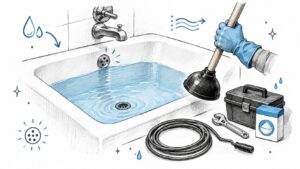
You flush the toilet and hear a low gurgle from the shower. A few minutes later, wastewater rises through a floor drain, and the bathroom sink starts draining even more slowly. That pattern points beyond a simple fixture clog. Wastewater may be trapped in the home's main building sewer, and every additional shower, laundry cycle, or flush can push contaminated water into the lowest available opening.
Knowing how to unclog a main drain safely means treating the problem as both a plumbing failure and a possible contamination event. Mechanical clearing may restore flow, but it doesn't automatically make flooring, drywall, cabinets, belongings, or indoor air safe after sewage has entered the home. The safest response combines diagnosis, controlled access, appropriate equipment, and a clear stop point when the pipe or cleanup exceeds household work.
Recognizing a Main Sewer Line Backup
A localized clog usually affects one fixture. A main sewer blockage affects the drainage system downstream of several fixtures, so symptoms appear in more than one place. Toilets may gurgle when the washing machine discharges, tubs may fill while a toilet is flushed, and wastewater can return through a basement or ground-level floor drain.
Treat standing sewage as contaminated water. Government guidance warns that sewage may contain harmful pathogens and recommends avoiding contact, wearing protective clothing, and seeking health-department or regulatory guidance when sewage enters a home. The U.S. Environmental Protection Agency guidance on sewage-related malfunctions also supports careful removal, cleaning, disinfection, and drying of affected areas.
Separate a fixture clog from a main-line failure
Use the pattern of symptoms rather than a single slow drain:
- One fixture only: The obstruction may be in that fixture's trap or branch drain.
- Several fixtures together: A blockage farther downstream is more likely.
- Lowest drains affected first: Wastewater is seeking the lowest opening in the building.
- Backup after normal water use: The line may still be partially open, but unable to carry the household's discharge.
- Repeated return after plunging: The restriction may be deeper, rooted, damaged, or located in the private lateral.
A main-drain blockage can also contribute to a sanitary sewer overflow, where wastewater escapes from a sewer system or backs up into buildings. The EPA estimates that at least 23,000 to 75,000 sanitary sewer overflows occur annually in the United States, excluding sewage backups into buildings, and identifies blockages as one principal cause alongside defective pipes, inadequate capacity, power failures, and stormwater or groundwater infiltration. Historical EPA analysis found that nearly 50% of SSO events with a known cause resulted from complete or partial sewer-line blockages. These figures are reported in the EPA overview of sanitary sewer overflows.
Practical rule: If multiple drains back up or sewage rises through a floor drain, stop using every fixture before attempting a repair.
Don't keep testing the system with flushes. Shut off or avoid appliances that discharge water, keep children and pets away, and move uncontaminated belongings out of the affected area if you can do so without stepping through sewage.
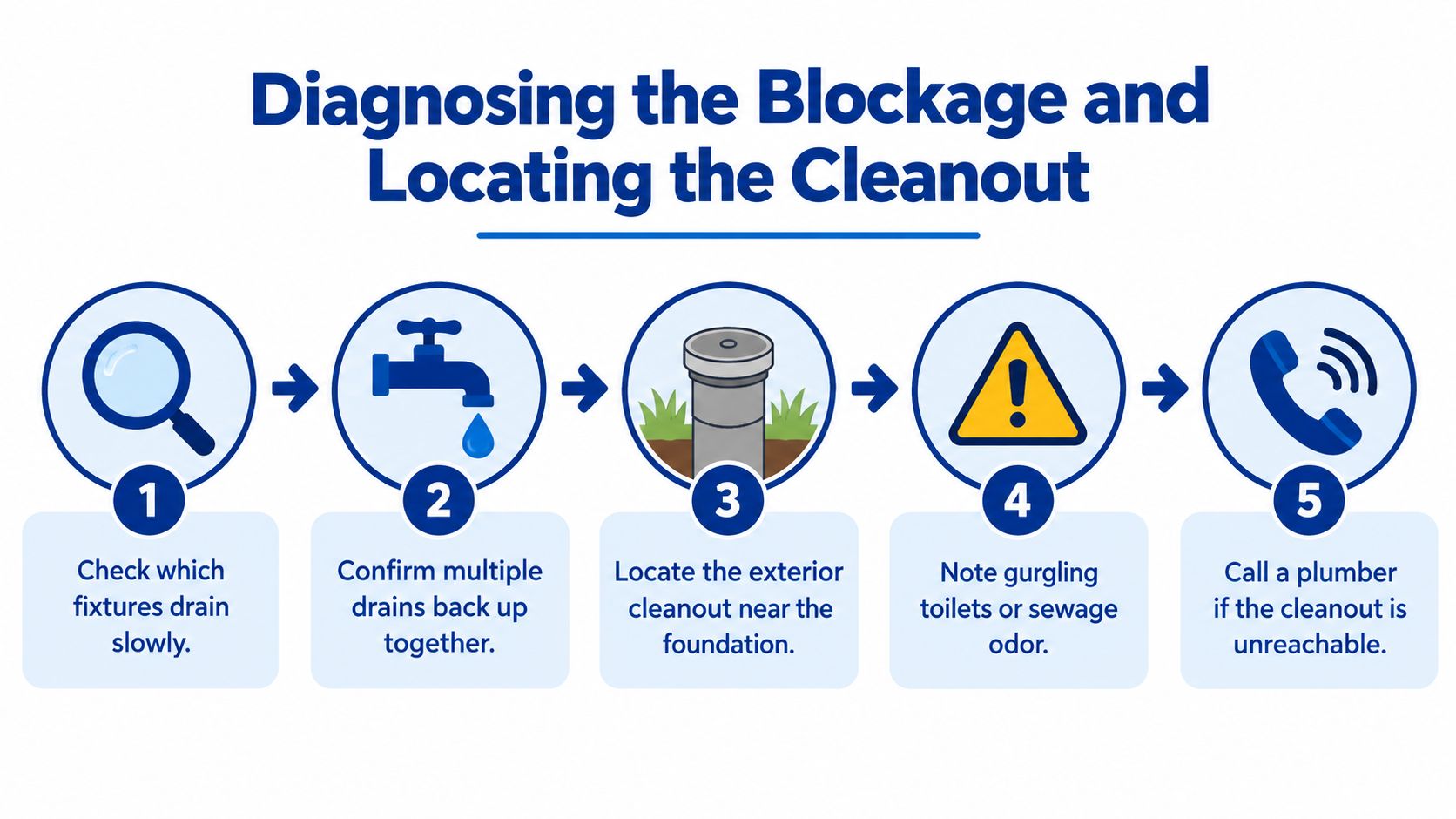
Diagnosing the Blockage and Locating the Cleanout
Start with isolation, not chemicals. Stop using sinks, toilets, showers, tubs, dishwashers, and washing machines. If wastewater is already on the floor, keep people away from it and contact the local sewer utility promptly. Utilities may have reporting lines and can tell you whether the public main is affected.
Next, compare fixtures. If one sink is slow while other drains work normally, the issue may be local. If toilets, showers, and floor drains respond together, suspect the building sewer or the public lateral. A plumbing-system inspection can help identify the location and condition of the line before you choose equipment. RestoTek TX provides plumbing system inspection services associated with water-loss events.
Find the safest access point
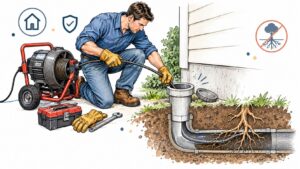
Look for a capped cleanout outside near the foundation or property line. It may be a short vertical pipe with a threaded cap, sometimes surrounded by soil, landscaping, or a small access box. Some properties also have cleanouts in a basement, crawlspace, or garage, but an exterior cleanout nearest the building is generally preferable for main-line work.
Don't remove a toilet or open an indoor fixture trap to reach the main line. Those openings are poorly suited to controlling a sudden release of wastewater and can expose the room to a preventable spill. Put on waterproof gloves, eye protection, protective footwear, and clothing that can be cleaned or discarded.
Before fully removing the cap, clear the area and stand to the side, not directly above it. Turn the cap slowly with the proper wrench. If you hear pressure, see seepage, or notice the cap is damaged, stop and let a trained technician handle the opening. A backed-up line can release wastewater suddenly.
Once open, observe the pipe rather than immediately inserting a cable. A full pipe suggests the restriction is downstream, while a relatively empty cleanout may indicate a blockage between the building and that access point. Either observation can be misleading if the line has a partial obstruction, so don't assume the pipe is sound merely because water begins to move.
Clearing the Line with a Motorized Sewer Auger
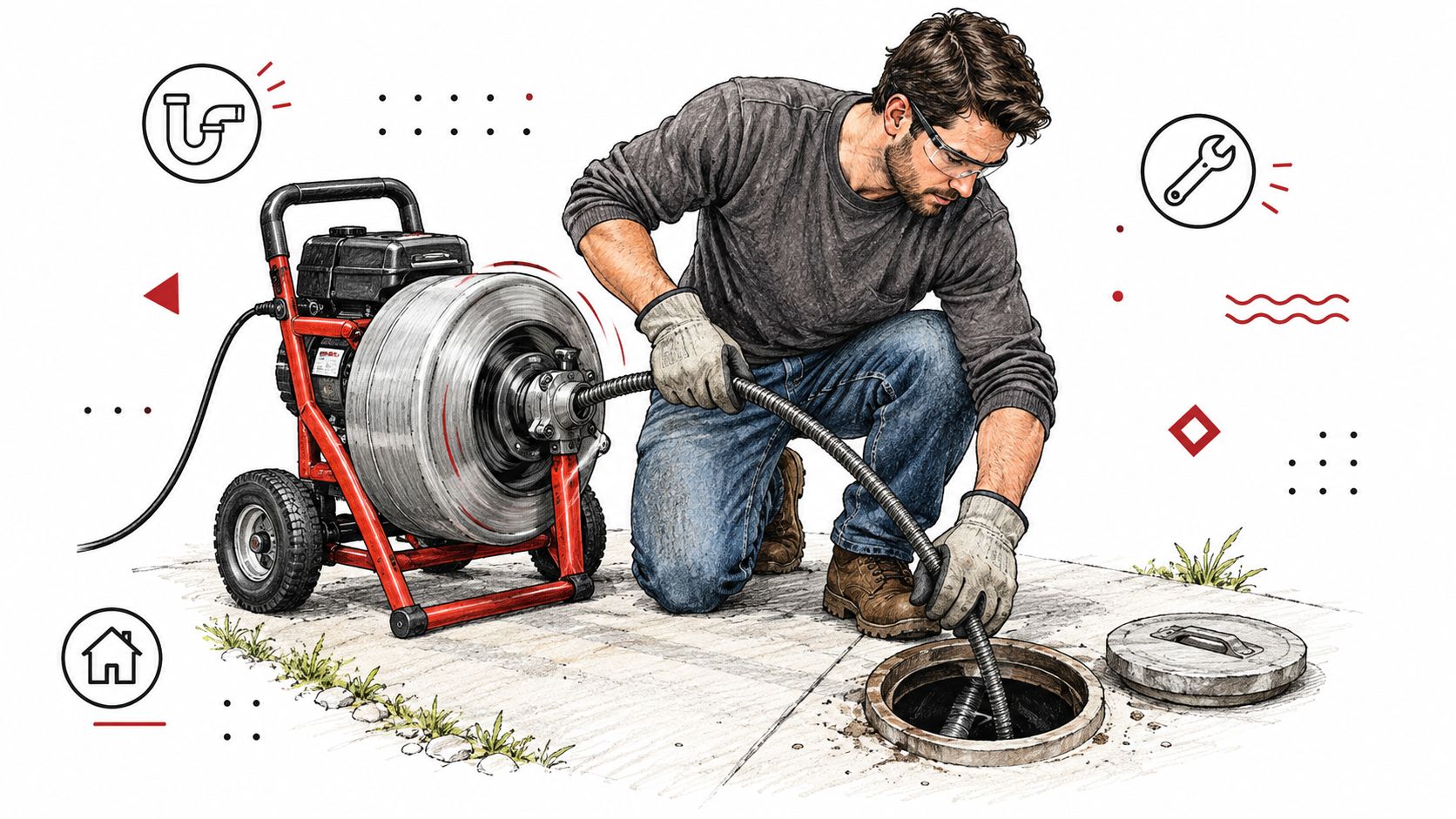
A motorized sewer auger can open a soft obstruction in a private building sewer, but it isn't a universal repair tool. Choose a machine and cable sized for the pipe, use a head appropriate for the material, and read the rental instructions before operating it. Wear eye protection, waterproof gloves, protective clothing, and slip-resistant footwear. Keep hands, loose clothing, and hair away from the rotating cable.
Feed the cable through the exterior cleanout while maintaining control of the machine. Advance slowly until you feel resistance. The correct response isn't to force the cable. Pull back slightly, then work it forward and backward in short movements. This helps the cutting head engage the obstruction while reducing the chance of cable kinking, jamming, or breaking.
Choose the tool for the obstruction
A general penetration head may create a small opening through grease or paper, but opening a hole isn't the same as cleaning the pipe. A root-cutting head can address fibrous growth, yet aggressive cutting in a brittle, offset, or collapsed pipe can enlarge the defect or trap the cable.
Root intrusion deserves special attention in mature Central Texas neighborhoods. A peer-reviewed infrastructure review reports that roots are commonly attributed to more than 50% of sewer blockages, and that smaller pipes may require root removal annually or every other year. The review is available in this U.S. Forest Service infrastructure publication. A cable that opens a root mass may only restore temporary flow.
Stop immediately if the cable repeatedly stops at the same distance, won't advance with controlled pressure, or returns with unusual debris. An offset joint, collapsed section, or immovable object may be blocking the path. Forcing the machine can turn a diagnostic problem into a damaged pipe and a trapped cable.
After flow returns, retract the cable carefully and close the cleanout temporarily. Flush gradually, not with a sudden large discharge. If the line backs up again, contains sediment, or won't hold flow, stop using the plumbing and arrange professional inspection. A hydro-jetter may remove grease and adhered deposits more thoroughly than a penetration cable, but technicians should confirm pipe condition and flow direction first. A direct connection to the building water supply for jetting also requires an approved reduced-pressure backflow assembly.
RestoTek TX coordinates plumbing services through licensed and insured plumbing partners for drain and sewer-related water-loss situations.
Managing Sewage Contamination and Water Damage
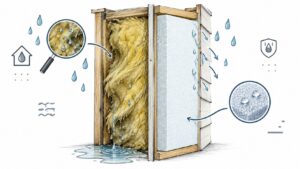
Restored drainage doesn't equal a restored home. Sewage that entered flooring, drywall, cabinets, insulation, carpet padding, HVAC areas, or personal property may leave contamination behind after the visible water disappears. Porous materials can absorb wastewater beyond the surface, and hidden moisture can support persistent odor, microbial growth, and structural deterioration.
Isolate the affected area first. Close doors where possible, keep children and pets out, and avoid tracking wastewater into clean rooms. Don't use fans or household air-conditioning equipment to blow air across contaminated materials unless a trained professional has assessed the area, because air movement can spread contaminated particles and odors.
Use a controlled cleanup sequence
- Document the loss: Photograph the source, water line, affected materials, and damaged belongings before removing items, when doing so is safe.
- Remove standing sewage: Extraction should use equipment and protective measures appropriate for contaminated water.
- Separate materials: Hard, nonporous surfaces may be cleaned with detergent, disinfected, and dried. Porous materials require a more careful assessment and may need removal.
- Protect the building: Check wall cavities, subfloors, cabinets, and HVAC-adjacent areas for hidden moisture rather than relying on surface appearance.
- Control odors at the source: Deodorizing fragrance won't replace removal, cleaning, disinfection, and drying.
Massachusetts public-health guidance notes that pathogen risk increases with the extent of sewage contamination and recommends removing excess water, washing contaminated surfaces with detergent, disinfecting them, and drying affected areas. If sewage has soaked drywall, insulation, carpet cushion, or other porous contents, professional assessment is prudent because cleaning the exposed face may not address the absorbed contamination.
Chemical drain cleaner creates an additional hazard. In a backed-up line, caustic liquid can remain in standing wastewater and splash onto the homeowner or technician who opens the cleanout or uses mechanical equipment. Never mix drain chemicals, and tell any plumber exactly what product entered the line.
A blocked pipe and contaminated structure require different decisions. Drain clearing addresses flow. Restoration addresses exposure, moisture, materials, odor, and documentation. For help evaluating the financial and scope considerations after a backup, see this guide to sewage backup cleanup costs.
Deciding Between DIY Maintenance and Professional Help
A homeowner may reasonably handle a reachable cleanout and a straightforward, soft obstruction when there is no active sewage exposure and the equipment can be operated safely. The decision changes when the line shows signs of structural failure or the backup has contaminated living space.
| Situation | Sensible response | Why |
|---|---|---|
| One fixture drains slowly | Try a fixture-level plunger or appropriate hand tool | The main sewer may still be clear |
| Several fixtures back up together | Stop water use and assess the cleanout | The problem may be downstream of the fixtures |
| A cable opens a soft obstruction and flow stays steady | Monitor cautiously and arrange follow-up if recurrence continues | Temporary opening doesn't prove the pipe is sound |
| The cable stops at the same distance repeatedly | Stop forcing it and request CCTV inspection | The line may be offset, collapsed, or obstructed by a fixed object |
| Roots return after clearing | Use camera evidence to plan recurring maintenance or repair | Root removal alone may not correct the entry point |
| Sewage enters floors, walls, cabinets, or HVAC areas | Isolate the area and call a restoration professional | Mechanical flow restoration doesn't remove contamination |
Red flags that end the DIY attempt
Call for professional help when sewage is actively returning, when multiple fixtures remain affected after controlled clearing, or when you can't safely reach the cleanout. The same applies if the line contains heavy sediment, the cable repeatedly jams, or restored flow disappears quickly.
A camera inspection can show whether roots enter through joints, cracks, or a failed connection. The technician can then compare recurring blockage locations and intervals, rather than repeatedly cutting roots without correcting the underlying defect. Hydro-jetting may be appropriate for deposits, but it shouldn't be used blindly in a damaged pipe.
Root-removal costs can be about one-sixth of pipe replacement or renewal, while collapse repairs cost more than new construction, according to the infrastructure review linked earlier. That comparison doesn't make aggressive DIY cutting a bargain. It supports early diagnosis, because a controlled maintenance plan may avoid allowing a manageable defect to become a collapse.
Preventing Future Main Drain Clogs and Backups
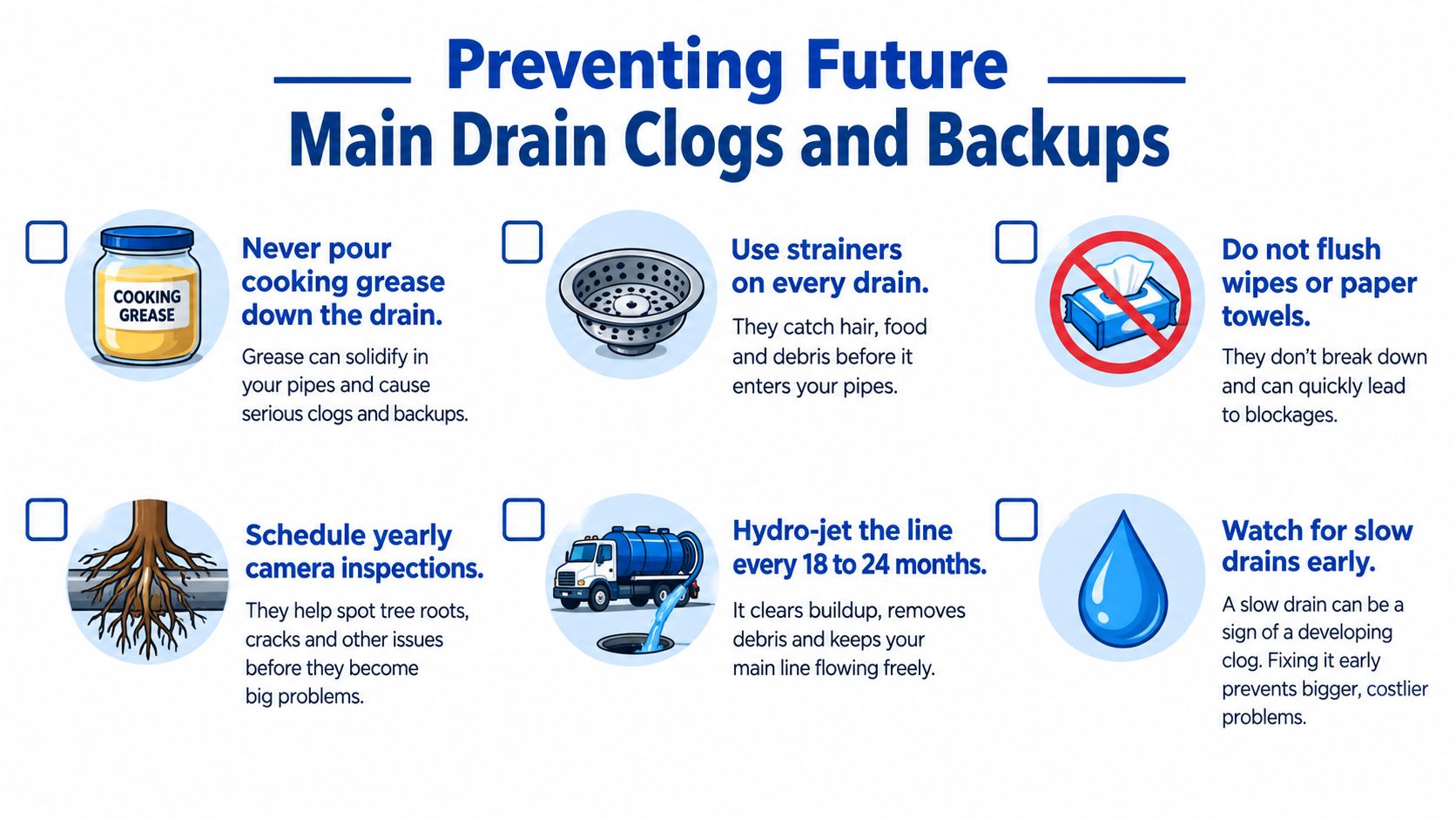
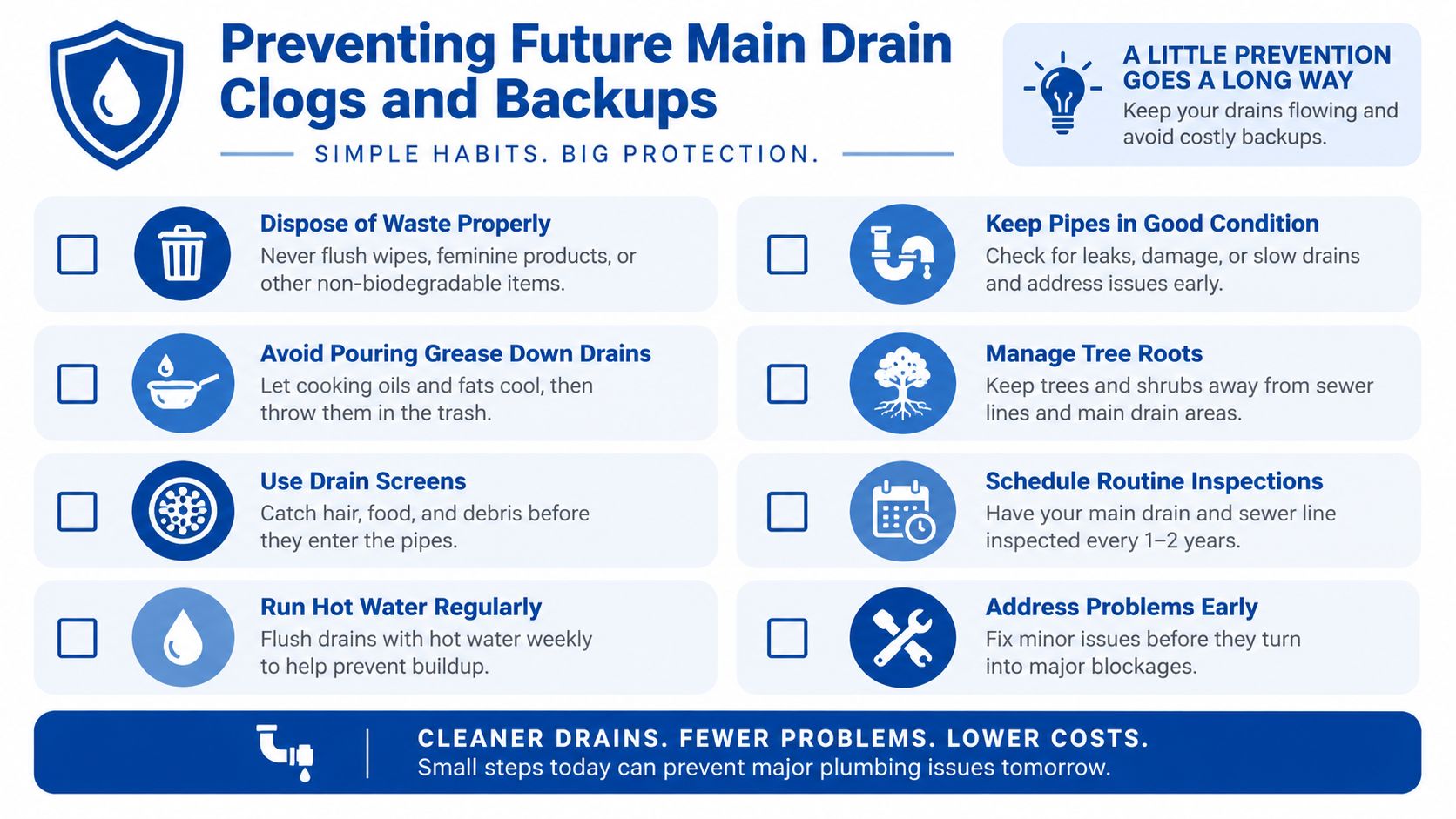
The most dependable prevention starts at the point of disposal. EPA identifies fats, oils, grease, wipes, baby wipes, facial wipes, sanitary pads, and tampons as materials that can create sewer blockages. Flush only human waste and toilet paper. Put wipes, paper towels, hygiene products, and cotton items in the trash, even when packaging describes an item as flushable.
Collect cooking grease in a container and let it cool before disposal. Don't rinse grease into a sink with hot water, because it can cool farther along the drainage system and adhere to the pipe. Use strainers to catch food scraps and hair, but don't treat a strainer as permission to wash grease or fibrous waste down the drain.
Water UK reported approximately 360,000 sewer blockages annually in the United Kingdom and estimated that about half were avoidable, often involving improper disposal of wet wipes and hygiene products. In London, a 2018 public-sector committee hearing reported about 85,000 cleared sewer blockages each year and roughly 30 tonnes of wipe-and-grease material received daily at Beckton sewage works. Those figures are from the EPA's frequent questions on sanitary sewer overflows, which also explains why household disposal choices matter to the wider sewer network.
Plan for Central Texas conditions
Mature trees can exploit small defects in older sewer lines, while intense rain can increase pressure on public systems and expose weak connections. Ask a qualified plumber whether your property would benefit from a backwater valve, particularly if its elevation and sewer configuration leave lower fixtures vulnerable to a municipal surcharge. A valve must be selected, installed, and maintained for the actual plumbing layout.
Camera inspections are valuable when a property has recurring backups, an older line, visible root growth, or unexplained sediment. The camera can establish a baseline, locate defects, and show whether maintenance or repair makes more sense. Respond to early warning signs, such as repeated gurgling, slow drainage across several fixtures, or a backup that returns after cleaning.
Don't wait for sewage to spread through the home. RestoTek TX offers emergency water-damage response, extraction, structural drying, microbial prevention, deodorization, and reconstruction coordination for homes and properties in Georgetown, Austin, and surrounding Central Texas communities. If a main-drain backup has already affected your property, visit RestoTek TX to request help with inspection, mitigation, and the next safe step.