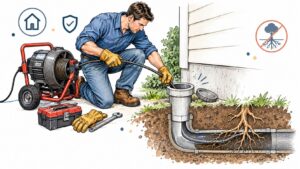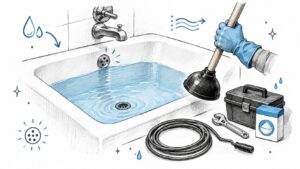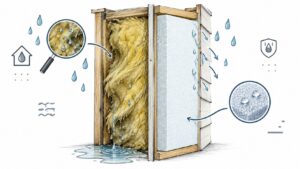
You notice the signs in the small stuff first. The cabinet under the kitchen sink smells a little stale, one bathroom faucet keeps losing its shine around the base, or the water heater seems to run longer after a hard Central Texas storm. In Georgetown homes, those little clues can sit right on top of a bigger problem, because slab foundations hide leaks, hard water leaves scale behind, and flash-flood conditions can push weak plumbing into failure fast.
A plumbing system inspection is the point where those clues stop being guesswork. It's how you find hidden water loss, installation defects, and moisture paths before they turn into drywall removal, ruined flooring, or microbial growth in a wall cavity. If you're already seeing staining, odor, or unexplained utility changes, this guide to hidden water damage in Georgetown homes gives you the larger picture of what those signs can mean.
The practical question isn't whether plumbing deserves attention. It's whether you want a visual guess or a documented read on risk. That difference matters in Central Texas homes, where what you can't see often costs more than what you can.
Why a Plumbing System Inspection Matters in Central Texas Homes
A Georgetown homeowner usually doesn't call for an inspection because the plumbing looks exciting. They call because something smells off, the water heater keeps cycling, or a wet spot shows up where no wet spot should exist. That's the moment a plumbing system inspection stops being routine maintenance and starts being damage control.
The reason is simple. Plumbing failures rarely announce themselves at the exact point they start. A slow slab leak can travel under finishes for a while, a loose connection can stain a cabinet long before it bursts, and a stressed supply line can fail after a storm when the house is already dealing with moisture. The survey of plumbing inspectors found that inadequate pipe hangers or supports was the most frequently reported defect, with an average severity/frequency score of 3.09 on a 4-point scale, and 29% of inspectors said they encounter it “often”. The same survey also noted recurring issues tied to building owners not doing necessary testing, which is exactly why inspection has to look beyond the obvious ICERES plumbing inspectors report.
A leak that never reaches the floor can still soak framing, feed odors, and create a repair that's much bigger than the visible stain.
Central Texas adds its own pressure. Slab foundations hide failures, hard water speeds mineral buildup, and storm exposure can push weak fittings, heaters, and shutoffs past their comfort zone. Independent home-inspection data also shows why this isn't a niche concern, about 30% of U.S. homes are estimated to have some form of plumbing leak, and roughly 1 in 3 home inspections finds a plumbing-system issue home-inspection statistics. That same dataset reports an average of 3 to 5 deficiencies per inspection, which is why plumbing is often treated as a due-diligence issue rather than a nice-to-have.
The value is risk management. Catch a defect early, and you may only deal with a valve, a line, or a heater issue. Miss it, and you can end up opening finishes, drying cavities, and explaining moisture to an adjuster.
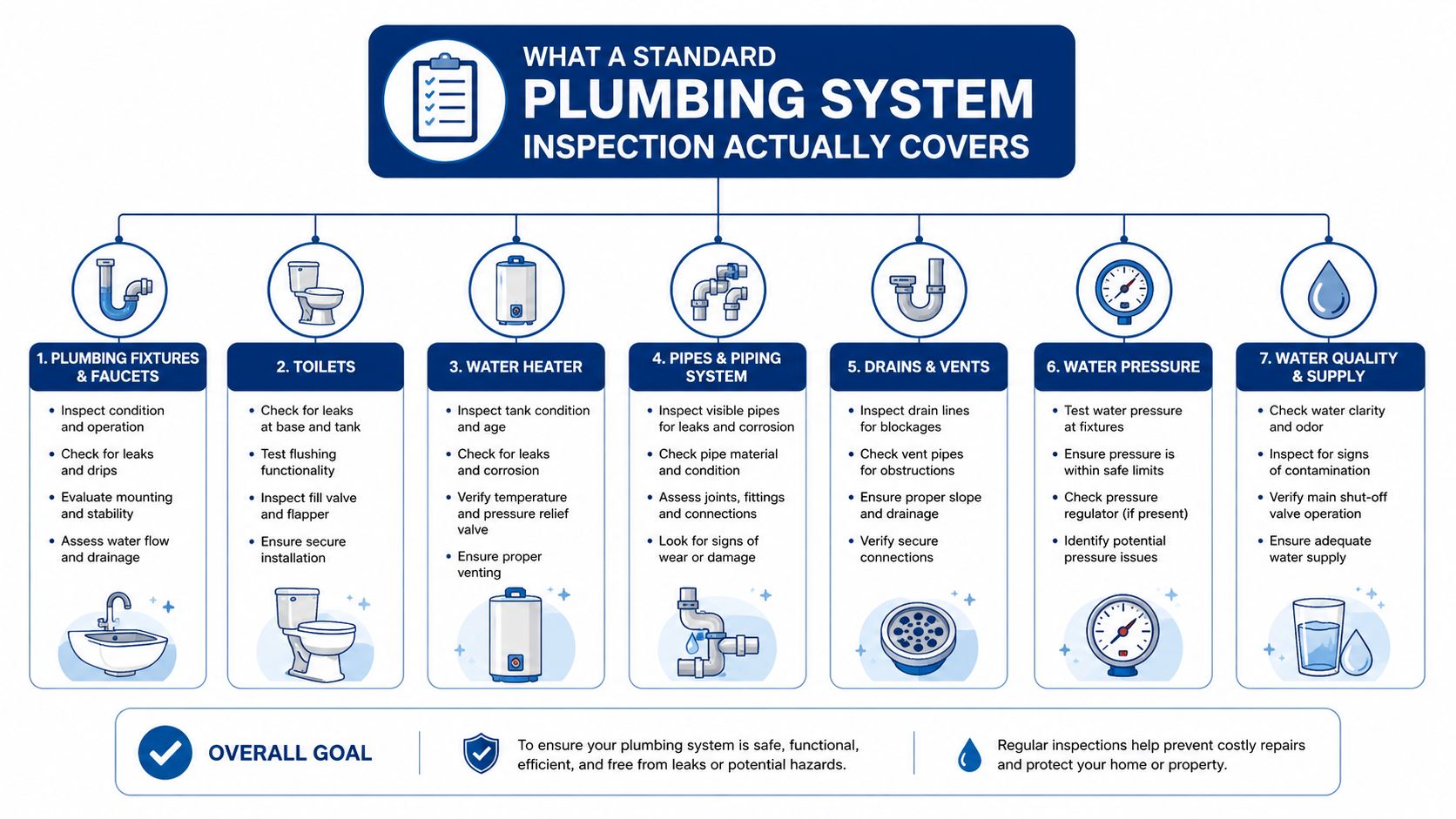
What a Standard Plumbing System Inspection Actually Covers
A proper inspection is broader than a look under the sinks. Standards-based plumbing work typically covers the interior water supply and distribution system, the drain-waste-vent system, water-heating equipment, and fuel storage and distribution. The inspector isn't just checking for wet spots, they're watching piping materials, supports, evidence of leaks, cross-connections, backflow devices, cleanouts, and drainage performance inspection standards of practice.
Water supply and distribution
This is the part most homeowners picture first. A technician checks the accessible supply piping, shutoffs, visible joints, and supports, then looks for staining, corrosion, or pressure behavior that points to trouble. If the system has hidden movement, poor support, or a weak connection, it may not show up until the line is under real load.
Drain-waste-vent and drainage performance
Drainage is where small symptoms become big clues. Slow flow, gurgling, recurring odors, or a bad cleanout can point to blockages, vent issues, or a deeper line problem. The professional difference is that a technician reads the pattern, not just the puddle.
Water heater and fuel-related components
The water heater gets its own pass because it can fail for a long time before it fails loudly. A standards-based inspection looks at the unit, connections, venting where applicable, and signs of leakage or corrosion. In a hard-water market like Central Texas, that matters because mineral buildup can shorten useful life and hide in the tank until the day recovery slows or the unit starts leaking.
A useful mental model is a vehicle inspection. You're not paying for a quick glance at the tires, you're paying for a brake, emissions, and safety check that tells you whether the system is stable enough to trust. Plumbing should be treated the same way.
How Often Georgetown Homeowners Should Schedule an Inspection
The right schedule follows the home's condition and exposure, not a generic calendar. A newer house with updated piping can often go longer between checks. A home with original lines, prior leaks, or a history of moisture needs a shorter cycle because the risk of repeat damage is higher.
| Home Profile | Recommended Frequency | Trigger Events |
|---|---|---|
| Newer build with modern PEX and no known losses | One inspection at year five, then every two years | Before remodels, after storms, after long vacancy |
| Home over twenty years old with original copper or galvanized lines | Annual inspection | Any odor, stain, heater change, or pressure change |
| Home with slab foundation and prior moisture history | Annual inspection, sooner after symptoms | Warm flooring, cabinet staining, unexplained utility changes |
| Any home after a flood, slab leak, or overflow | Immediate post-event inspection | Standing water, musty smell, shutoff use, or drying equipment |
| Seasonal or vacant property | Before reopening and after extended shutoff | Odors, stagnant water, past intrusion, or hidden moisture |
Timing matters more than the calendar
A water heater that is aging, a slab that has already leaked, or a house that sat vacant through a storm should move to the front of the line. The concern extends beyond the pipes to whether moisture had time to settle, migrate, or support a secondary problem. Once a water event has happened, the next inspection is about confirming what survived, what shifted, and what still needs attention.
If the home has already had water in the wrong place, do not wait for the next maintenance cycle. Inspect the system after the event, not after the stain grows.
This is the practical response. In Georgetown, the higher-risk situations are often the ones tied to heavy-weather exposure, slab movement, hard-water wear, or a home sitting vacant long enough for odors and microbial conditions to develop. That is where an inspection starts to quantify water-damage risk, because it separates a minor leak from a condition that has already had time to affect materials and indoor air.
A Practical DIY Plumbing Checklist for Every Room
A homeowner can catch a lot in under an hour. What you can do well is look, listen, and compare one room to another. What you can't do is see pressure behavior, hidden saturation, or a slab leak that hasn't reached the surface yet.

Kitchen and bathrooms
- Open the sink cabinets and feel around supply lines, trap joints, and the cabinet floor for dampness or staining.
- Run every faucet and watch for drips at the base, under the handles, and around the supply connections.
- Flush toilets once and listen for running water after the tank refills, which can point to a worn flapper or fill issue.
- Check caulk lines around tubs and sinks for gaps that let moisture into the wall edge.
- Look at fixture bases for rust rings, swelling, or dark edges on flooring.
- Note any slow drain behavior in more than one fixture, because that can hint at a shared line problem.
Laundry and water heater area
- Inspect washing machine hoses for bulging, cracking, or rust at the ends.
- Look behind the washer for old drip marks or mineral trails.
- Read the water heater area for standing moisture, corrosion, or a drain pan that's already holding water.
- Listen for rumbling or extended recovery time when the heater runs, which can suggest buildup or stress.
- Check the shutoff valves for accessibility and obvious corrosion.
- Review the space around the unit for odor, staining, or signs of repeated discharge.
If you've found any signs around the heater, the practical next step is a focused repair conversation, not another round of guessing. A local water-heater check like water heater leak repair becomes relevant when the area shows moisture, corrosion, or repeated discharge.
Exterior hose bibs and perimeter checks
- Look at hose bibs for dripping after the spigot is off.
- Check the wall surface around penetrations for peeling paint, staining, or soft trim.
- Scan exposed supply routes for movement, sagging, or missing support.
- Walk the perimeter after a storm and look for washout, pooled water, or new wet spots near the slab.
- Compare water use to what you see, because a bill that moves without a visible reason deserves a closer look.
The meter can help you confirm whether water is moving when no fixture is on. It can't tell you why, and it can't diagnose pressure swings without a gauge. That's where DIY ends and real testing begins.
Red Flags Your DIY Checklist Will Miss
A Georgetown homeowner can spot a damp cabinet floor, a slow drip, or a water stain. The harder misses are the problems that stay hidden until the floor starts changing shape or the utility bill rises without a clear cause. A warm patch in a hallway floor often gets blamed on sunlight or HVAC, then a thermal camera and moisture meter reveal a slow slab leak under the finish.
Warm flooring, hidden moisture, and a faint cabinet or baseboard odor signal that water is moving where it shouldn't. Once those clues show up, the question becomes how far the water has traveled and what it has soaked into. A professional inspection usually pairs moisture readings with thermal imaging, then decides whether the line needs pressure testing or the finish has to come up.
Pressure can hide in plain sight
A second miss has nothing to do with visible wetness. A house can seem normal until a failing pressure-reducing valve lets pressure climb high enough to wear on faucets and supply lines. That kind of problem needs a gauge, because the eye cannot confirm it, and the fixture damage can appear before the cause is obvious.
A faucet that starts dripping quickly after a pressure change is often the symptom, not the failure point.
Texas inspection guidance specifically calls out pressure above 80 PSI as a reporting issue, along with missing pressure-reducing or expansion equipment and missing fixture shutoff valves, because those conditions change the risk profile of the entire house Texas plumbing overview. Once pressure is out of range, the downstream damage can spread into toilet valves, appliance hoses, and weak joints that never looked bad from the outside.
In Central Texas homes, that risk matters even more because slab foundations can hide slow leaks, hard water can stress valves and fittings, and flash-flood exposure can leave behind moisture that a quick visual check misses. DIY observers can note whether a room appears dry. They cannot tell whether the plumbing is under stress, whether moisture is trapped where it cannot evaporate, or whether a leak is already developing in a way that raises microbial risk.
DIY Inspection vs General Home Inspector vs Restoration Specialist
There are three different ways Georgetown homeowners usually approach plumbing findings. They are not interchangeable, and the right one depends on whether you're trying to spot a problem, document it, or fix the water damage that followed.
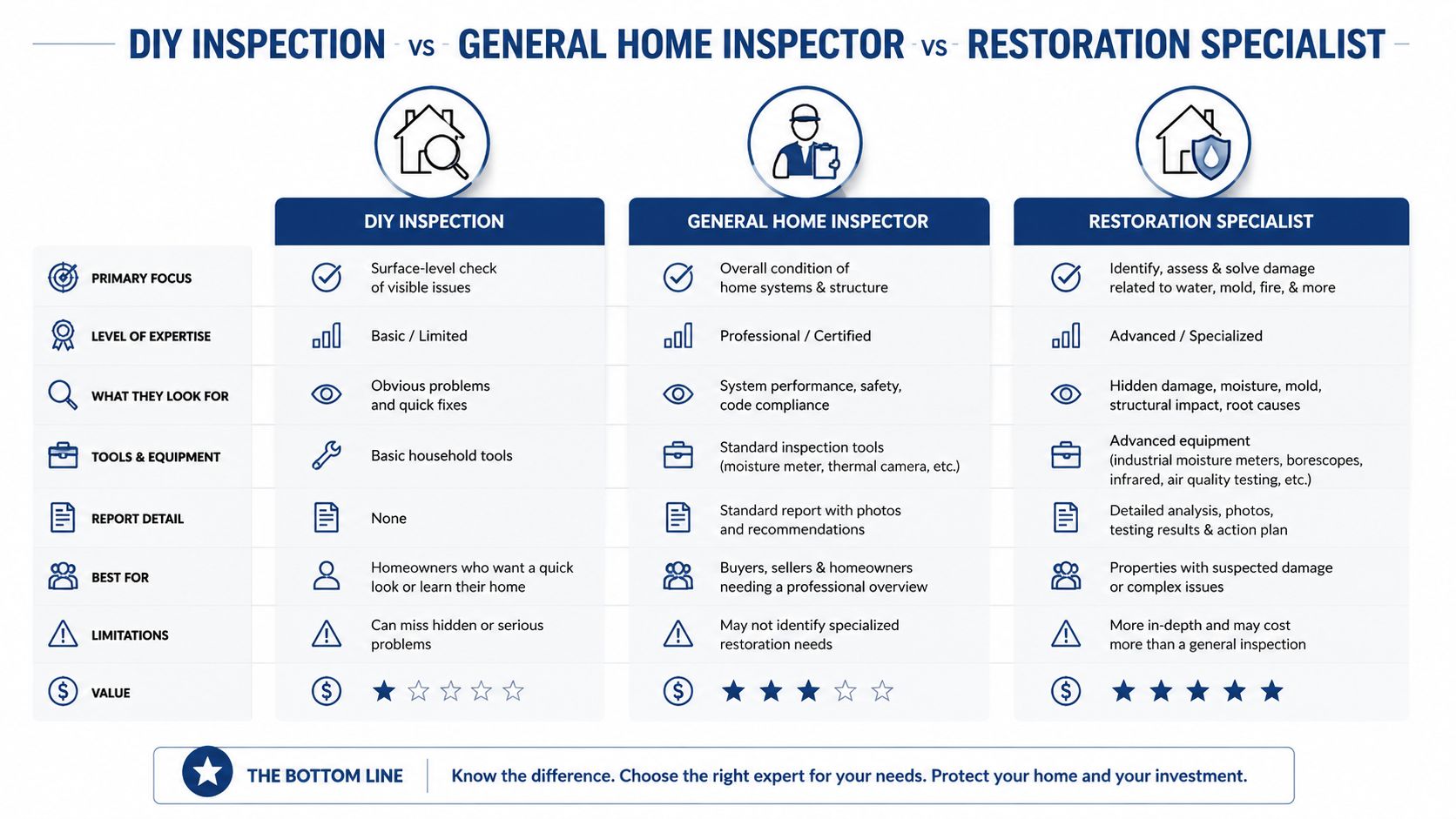
What each path really gives you
| Path | Instrumentation depth | Hidden moisture detection | Insurance-ready reporting | Immediate action on findings |
|---|---|---|---|---|
| DIY inspection | Low, visual and meter reading only | Limited | Weak | None |
| General home inspector | Standards-based visual report | Moderate, depending on tools | Moderate | None |
| Restoration specialist | High, with moisture, thermal, and pressure tools | Strong | Strong for loss documentation | Yes |
A DIY check is useful because it gets you moving. It can show you whether a cabinet is damp, a valve is drippy, or a heater area has a stain. It can't tell you what moisture is hiding in the wall, what the pressure is doing, or how to write the finding up for a claim.
A general home inspector gives you a cleaner report. That's valuable for due diligence and routine maintenance, especially when you need a written record of defects and recommended follow-up. What they usually don't bring is the full set of tools and response options that a water-loss event demands.
A restoration specialist closes the loop between finding the problem and stabilizing it. That matters after a leak, overflow, or flood because the same company can document conditions, start mitigation, and prevent the wet area from turning into a larger loss. In Georgetown and Austin, RestoTek TX is one local option that combines water-damage inspection and assessment, water extraction, structural drying, mold testing and inspection, and reconstruction under one roof, which is useful when the finding needs immediate action instead of another referral chain RestoTek TX water damage restoration technician.
If the issue is just a maintenance concern, a home inspector may be enough. If water has already left the plumbing and entered the structure, the restoration path usually makes more sense.
When to Hire a Professional for Plumbing and Water Damage
A professional makes the most sense in three situations. First, after a visible water event, such as a flood, overflow, or slab leak. Second, when the home has musty odors, a vacancy, or a past moisture event that raises microbial concern. Third, when the inspection needs to support an insurance claim and the documentation has to be clean and defensible.
That's especially true in Central Texas, where flash-flood exposure and slab foundations can make the line between plumbing defect and water damage very thin. A restoration company can inspect the source, note the extent, document safety conditions, and move straight into mitigation if the situation calls for it. That means the finding doesn't just sit in a report, it becomes a response plan.
One practical advantage is speed. A 24/7 local provider can respond when the loss is still active, which is when drying and containment matter most. That's also when homeowners are trying to avoid a second problem, like persistent odors or hidden moisture that turns into a bigger remediation scope.
The right professional after a water loss is the one who can document the problem and start stabilizing it the same day.
A plumber may fix the pipe. A restoration specialist can often handle the wet structure, the drying setup, the odor concern, and the rebuild path after the plumbing issue is identified. That full-cycle approach is useful when the damage has already moved past a simple repair.
Your Plumbing Inspection Action Plan and Common Questions
A Georgetown homeowner can get a clear answer fast by starting with the room-by-room DIY check and writing down anything seen, heard, or smelled. If you find visible moisture, recurring odors, or any sign of past water intrusion, stop treating it like a routine checklist and bring in a professional inspection. If the home has already had water damage, document the issue before you clean it up too far, because insurance files are easier to support when the evidence is still intact.
Older homes, slab foundations, and houses with prior plumbing trouble should be treated like maintenance with a deadline. In Central Texas, that matters because slab leaks, hard water, and flash-flood exposure can turn a small plumbing defect into hidden water damage faster than many homeowners expect. A newer home that looks dry but still raises concern about a heater, a valve, or water pressure usually needs a standards-based inspection to settle the question.
Quick questions homeowners ask
What does pressure above 80 PSI mean?
It usually means the system may be outside a safe operating range and should be checked by a professional, especially if fixtures, hoses, or valves are already showing stress. Texas inspection guidance treats that level as a reportable issue Texas plumbing overview.
When should microbial testing be added?
After a flood, a vacancy, or a moisture event that left odors, staining, or lingering dampness. Plumbing problems can also affect water quality through stagnation, biofilms, and material interactions, so a visual check alone does not always answer the microbial risk question Home Inspector consumer plumbing resource.
How do inspection findings help with insurance?
They give adjusters a dated record of source, extent, and visible conditions. A restoration report is usually more useful than a casual homeowner note because it supports mitigation decisions and repair scope.
How soon should I reinspect after a major repair?
Reinspect once the repair is complete and the area has been put back into service, then again if symptoms return. If the original issue involved hidden moisture, ask for a follow-up after drying or rebuild so you are not assuming the problem is gone before it really is.
RestoTek TX helps Georgetown and Austin property owners document water losses, stop active damage, and move from inspection into mitigation, drying, and rebuild when the plumbing issue has already affected the structure. If you are seeing stains, odors, a leak, or signs of hidden moisture, visit RestoTek TX to get help that fits the way Central Texas homes fail.