If wet drywall can't be dried within 24 to 48 hours, or if its seams are broken or the material is swollen, remove it. If the water was clean and the drywall remains sound, drying it in place within that window may be possible.
A burst supply line behind a Georgetown wall, a backed-up drain during a storm, or flash-flood water entering at floor level can leave the same first impression: a damp baseboard, bubbling paint, and a wall that feels dry in one spot but soft in another. The difficult decision is whether to open the wall immediately or attempt to save it.
The answer depends on more than appearance. Water source, drying time, moisture inside the cavity, insulation, mold, and drywall integrity all affect the recommendation. A clean leak that was stopped quickly can sometimes be managed without removing the entire sheet. Floodwater, sewage, wet insulation, or a wall that stayed damp beyond the drying window calls for a much more conservative response.
When to Replace Drywall After Water Damage
A burst supply line can leave a Georgetown wall looking nearly normal after a day of fans, while moisture remains behind the paper, around fasteners, or inside the insulation. Flash-flood water creates a different problem: even drywall that dried quickly may have absorbed contaminants at the lower edge. The decision is whether the assembly is sound and clean enough to keep, or whether opening it is the safer repair.
The EPA permits in-place drying when there is no obvious swelling and the seams remain intact. Water-damaged materials should be dried within 24 to 48 hours to limit mold growth, because enclosed cavities become harder to dry fully after that period. See the EPA mold remediation guidance for this benchmark.
The practical decision
Replace drywall when one or more of these conditions are present:
- The wall stayed wet: Material that could not dry within the recommended 24 to 48 hour window presents greater mold risk, particularly inside a closed cavity.
- The drywall has lost strength: Soft, spongy, crumbly, swollen, sagging, or detached board will not reliably hold fasteners or joint compound.
- The seams have failed: Cracked or separated joints show movement or swelling that paint and surface patching cannot correct.
- The water was contaminated: Gray water, black water, sewage, and Central Texas floodwater can leave contaminants in porous gypsum, even when the face appears clean.
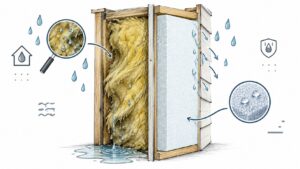
- Insulation is damp: Wet insulation can keep the cavity wet after the drywall feels dry.
- Mold or a musty odor is present: Open the assembly for inspection instead of sealing those conditions behind paint.
A clean leak stopped quickly may allow targeted drying and limited removal. A wall that dried fast is not automatically safe to keep. Check what touched it, how long it remained wet, and whether the entire assembly is dry. Those answers determine whether one damaged section can come down or a larger area needs removal.
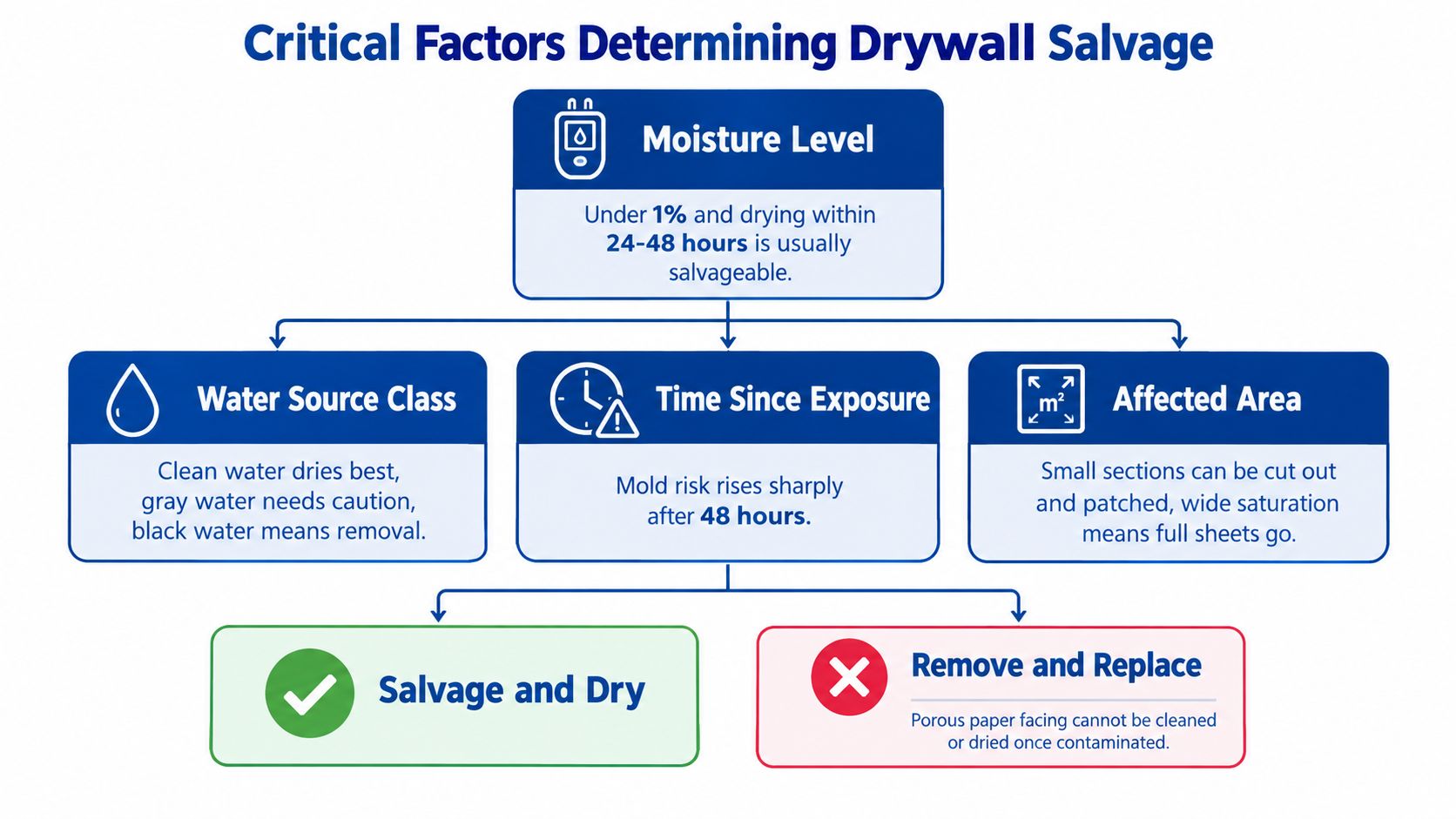
Critical Factors Determining Drywall Salvage
Drywall salvage is a judgment based on several conditions at once. A fast-dried wall exposed to clean water may be retained. A wall exposed to floodwater may require removal even if it looks firm. Neither decision should rely on a single visual cue.
Moisture status matters more than surface appearance
The NIH Office of Research Facilities recommends removing and discarding drywall below 12 inches above the water mark when the wallboard can't be dried within 48 hours. It also calls for removing damp insulation and using a moisture meter to compare affected areas with an unaffected control area. The NIH moisture remediation guidance supports a measurement-based decision rather than a visual guess.
A meter reading is useful only when you establish a baseline. Test a dry, unaffected wall built with similar materials, then compare the damaged area at multiple heights and around corners, seams, and outlets. One isolated reading doesn't prove the cavity is dry.
Water classification changes the threshold
Clean water from a supply line or rain event gives you the best chance of salvage, provided the wall dries thoroughly and remains structurally sound. Gray water from appliances, sinks, or toilets requires caution. Black water, sewage, and floodwater generally move the decision toward removal because porous gypsum and paper facing can retain contamination that cleaning can't reliably reverse.
Damage cues reveal structural failure
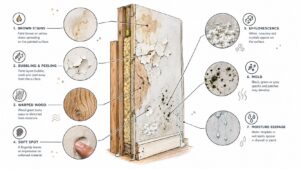
Look for softness, sponginess, swelling, sagging, paper separation, and loose fasteners. A wall that flexes under light hand pressure has a different restoration outlook from one that has only a superficial stain.
Industry restoration guidance commonly treats drywall that has swollen or sagged by about 3/8 inch as a candidate for full-panel replacement rather than a cosmetic patch, as described in this drywall water-damage restoration benchmark. Don't use that figure as a substitute for inspection. Any ceiling drywall that is bulging or sagging also presents a safety concern and shouldn't be handled casually.
Area and assembly affect the repair
A small, isolated section may be cut out and replaced if the surrounding drywall is dry and firmly attached. Broad saturation, extensive wicking, or wet insulation behind the wall makes a larger opening more practical because the cavity must be inspected and dried.
Practical rule: If the wall can't be verified dry on both sides of the assembly, retaining the paper-covered gypsum is a gamble, not a restoration plan.
Clean Water Versus Contaminated Water Decisions
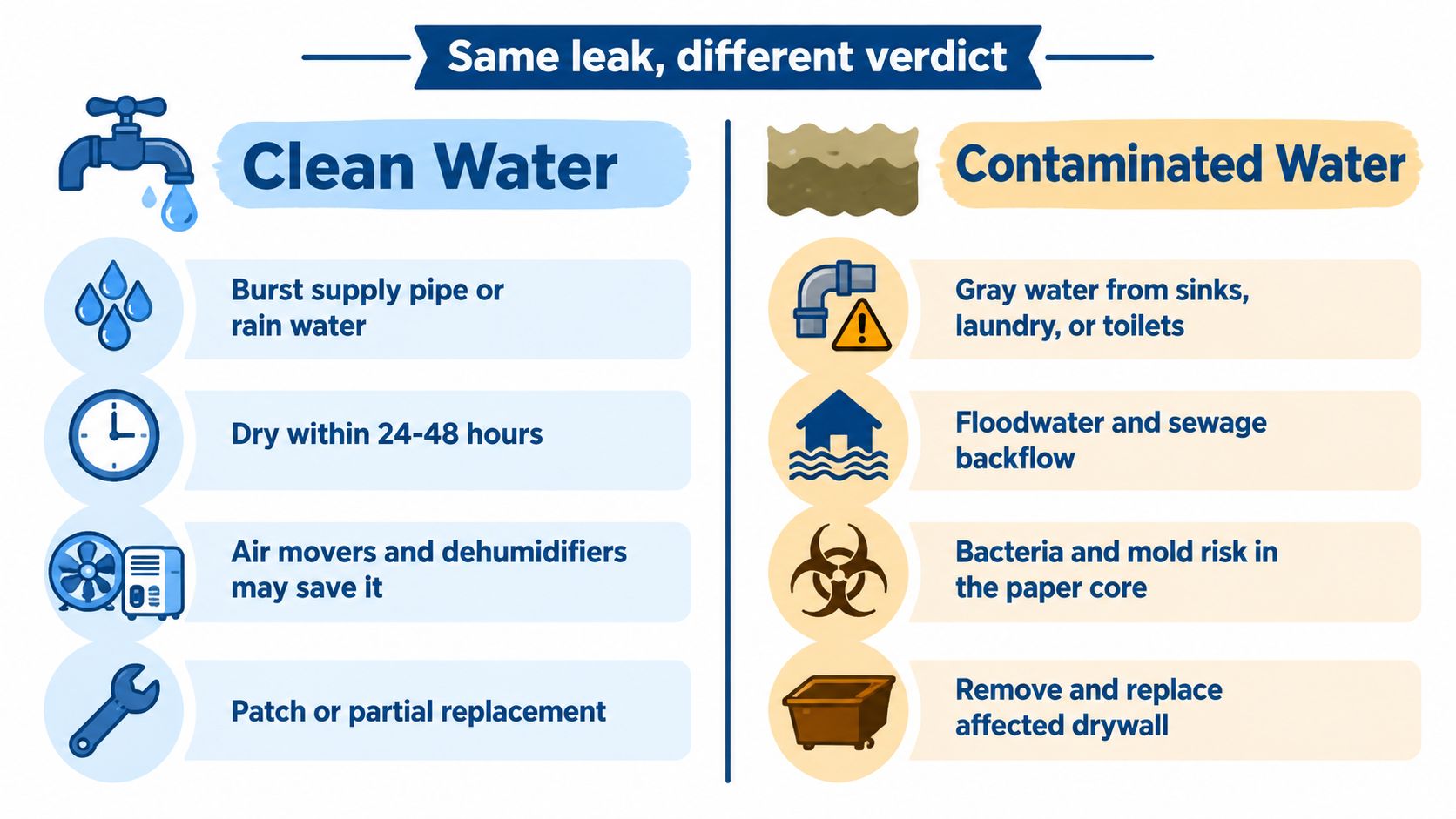
Two walls can have identical stains and deserve opposite recommendations. A supply-line leak that released clean water into a wall is primarily a drying and structural-integrity problem. Floodwater or sewage creates a contamination problem that drying alone can't solve.
When clean-water salvage makes sense
Clean rainwater or lawn runoff may sometimes be salvaged when the material remains intact and the cavity can be opened and dried properly. Independent wall-material guidance describes cutting out lower and upper sections to create a drying path, rather than automatically removing every sheet. That approach is especially useful when moisture is concentrated near the floor and the unaffected upper portion remains firmly attached.
The same guidance recommends removing and replacing drywall soaked by contaminated water. It also identifies a more extensive response when the affected wall is soaked at least four feet above the floor, as explained in the wall-material remediation guidance. The point isn't to make four feet a universal cut line. Moisture readings and the actual water path still control the cut.
When contamination overrides appearance
Gray water, black water, sewage, and floodwater can carry soil, organic matter, and other contaminants into the porous gypsum core. The paper facing may look clean after wiping, but surface cleaning doesn't demonstrate that the inside of the board is sanitary.
A contaminated wall should generally be removed rather than dried in place, particularly when the water came from a backup, overflow, or Central Texas flash flood. Don't let a dry surface or lack of visible mold persuade you to keep porous material that has absorbed unsafe water.
The timing rule isn't an automatic demolition order
The 24 to 48 hour benchmark is a drying and mold-risk window, not a universal instruction to replace every wall that became wet. A clean-water wall that was dried promptly, tested against an unaffected control area, and found intact may be retained.
The opposite is also true. Fast drying doesn't rescue a wall exposed to contaminated water, and it doesn't make wet insulation or hidden cavity moisture disappear. The consumer guidance on drywall water damage makes the practical distinction clear: contamination source, cavity conditions, and actual drying performance matter more than elapsed time by itself.
Assessing Moisture Levels and Hidden Damage
Start with the source, then inspect the wall from the outside in. Stop the leak, remove standing water, and keep people away from sagging ceilings or loose drywall. Don't close the wall or apply paint until the cavity has been evaluated.
Use a meter as a comparison tool
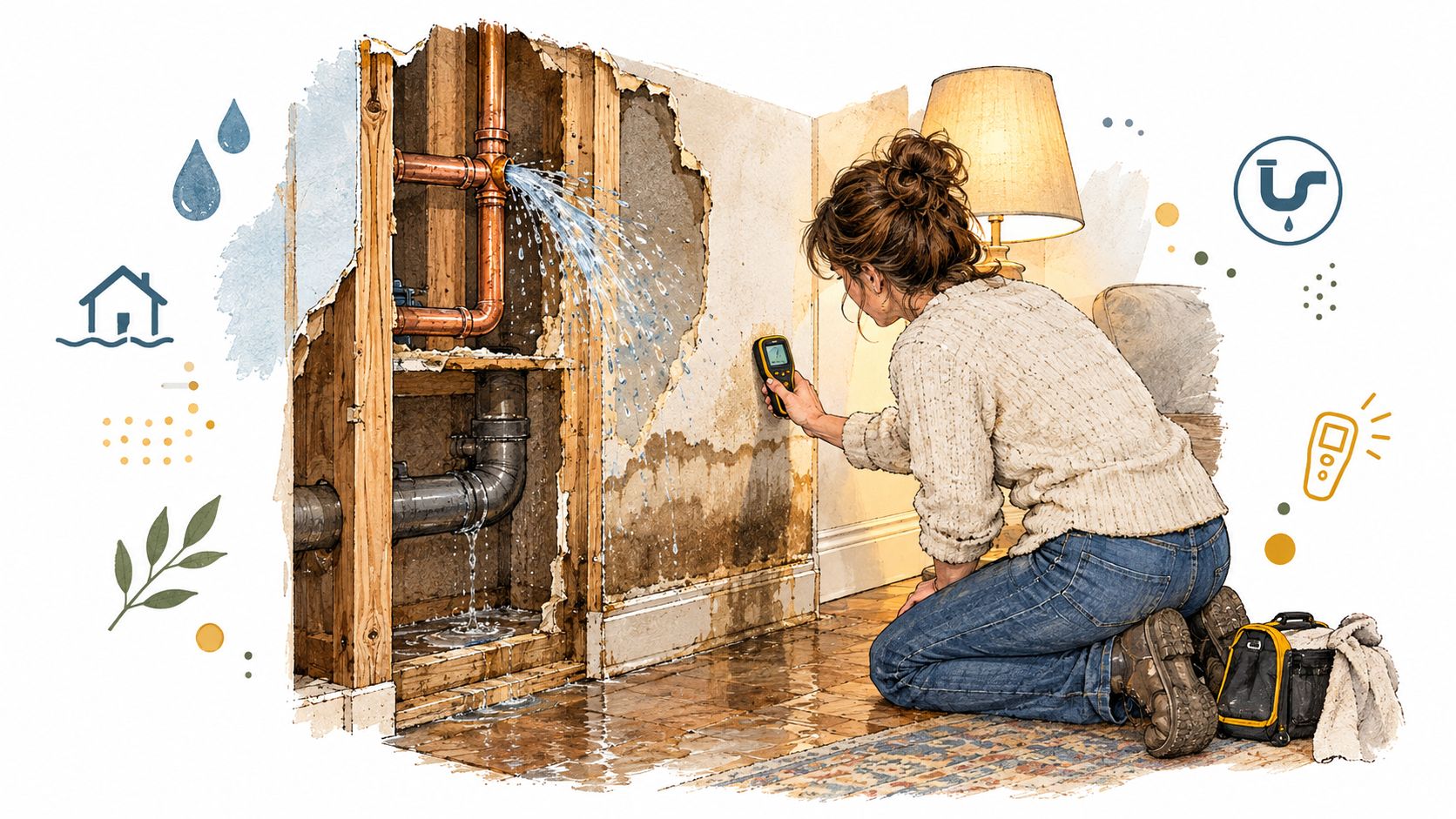
A moisture meter helps identify patterns, not just wet and dry labels. Test an unaffected section made from comparable drywall to establish a control reading, then check the damaged area at the base, above the visible stain, beside openings, and near seams.
For a practical overview of moisture meter readings, pay attention to technique and consistency. A meter can misread around metal corner bead, wiring, plumbing, foil-backed materials, or fasteners, so suspicious results should be checked from several locations.
Read the wall's physical condition
Run your hand lightly over the surface without pressing hard enough to damage it. Softness, sponginess, swelling, bubbling, sagging, and separation from framing indicate more than a cosmetic stain. Cracked joint compound or seams that no longer meet cleanly can signal movement inside the board.
A musty smell deserves attention even when paint appears dry. Odor may come from wet insulation or the back of the drywall, where a surface inspection can't see the problem.
Open the assembly when evidence conflicts
If the surface reads dry but the baseboard, flooring, or opposite side of the wall was wet, inspect the cavity. Removing a small, controlled section can reveal damp insulation, wet studs, or moisture on the back of the gypsum. That opening also lets air reach a trapped cavity instead of leaving the wall sealed around residual moisture.
A dry-looking face is evidence about the face of the drywall. It isn't proof that the wall assembly is dry.
Don't patch meter holes, repaint stains, or reinstall trim until readings have stabilized and the cavity has been checked. If swelling or sagging is substantial, replacement is usually more reliable than trying to flatten and refinish a board that has already changed shape.
Why Hidden Cavity Conditions Change the Decision
A wall can look dry and still require removal. The deciding question is whether the whole assembly dried, including the drywall's back, framing interfaces, insulation, and enclosed spaces around plumbing.
Central Texas flash floods make this distinction especially important. Floodwater can enter lower wall cavities and carry contamination, while a burst supply line may soak insulation before anyone sees surface damage. Quick surface drying does not make either condition safe to close.
Wet insulation often undermines an otherwise successful drying effort. It can keep moisture against the board and support concealed microbial growth. A musty odor, repeatedly high readings, or damp insulation supports opening the wall for a closer assessment.
Timing, source, and condition work together
Use the earlier 24 to 48 hour mold-risk benchmark as context, then verify the cavity rather than relying on elapsed time. Apply this sequence:
- Identify the source: Clean supply water and rainwater present a different risk from sewage, floodwater, or gray water.
- Measure the assembly: Compare affected areas with an unaffected control area. Touch and appearance are poor substitutes for readings.
- Inspect the cavity: Check insulation, studs, the drywall backside, and locations beyond the visible waterline.
- Judge integrity: Replace board that is swollen, soft, sagging, separated, or unable to support a sound finish.
- Match the response to the evidence: A clean, sound wall with verified dry materials may be saved. Contaminated materials, trapped moisture, or damaged gypsum usually justify removal.
The practical question is not just whether the wall dried fast. It is whether the water was suitable for salvage and whether the material and cavity are clean, dry, and structurally sound.
Documentation protects the repair decision
Photograph the source, waterline, stains, damaged seams, removed trim, and opened cavities before reconstruction. Keep moisture readings, equipment notes, drying dates, and invoices with the claim file. This record helps an adjuster understand why one area received a limited flood cut while another required full replacement.
Thermal imaging can identify temperature patterns that suggest concealed moisture, but it does not replace direct moisture measurement or cavity inspection. A thermal imaging inspection is most useful when combined with meter readings and knowledge of the wall's construction.
The replacement decision belongs to the wall assembly, not just the paint surface.
Next Steps for Georgetown and Austin Homeowners
Central Texas weather creates losses that change quickly. Heavy rain and flash flooding can push contaminated water into lower walls, while a burst pipe can saturate a cavity before anyone notices. Move from emergency control to documentation and assessment in a deliberate order.
What you can do safely
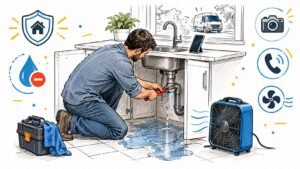
Shut off the water if you can do so safely, then remove loose contents and keep electrical equipment away from standing water. Take photographs before moving damaged materials, but don't delay emergency measures just to create a perfect record.
For a small clean-water leak, a homeowner may reasonably remove wet baseboards, provide ventilation, and arrange moisture testing. Don't use household fans alone as proof of structural drying, and don't seal a damp wall behind primer or new drywall.
When professional help is warranted
Call a restoration professional when water came from a backup, flood, toilet overflow, or other questionable source. Professional help is also appropriate for widespread saturation, wet insulation, visible mold, persistent odor, ceiling damage, uncertain drying status, or a loss that will involve insurance.
The practical sequence is extraction, moisture mapping, controlled cavity opening, structural drying, microbial prevention where appropriate, and reconstruction. A provider that offers the full path can keep inspection findings connected to the drywall repair instead of treating the finish as a separate cosmetic project.
For immediate safety and response steps after a local loss, use this Central Texas water-damage checklist. Then notify your insurer, protect undamaged areas, and save receipts and written recommendations.
A sensible decision path
- Clean source and sound board: Dry, measure, inspect, and retain only when the wall and cavity verify as dry.
- Swollen or weakened board: Remove the affected section or panel so the replacement has stable backing.
- Contaminated or floodwater exposure: Plan for removal of affected porous drywall, followed by cavity cleaning and drying.
- Unclear conditions: Open and investigate rather than guessing from a dry surface.
RestoTek TX provides inspection, water extraction, structural drying, microbial prevention, mold testing, and reconstruction for Georgetown, Austin, and surrounding Central Texas communities. Its family-operated team also handles emergency water-loss response and can provide a no-cost estimate when you need a clear plan.
If your Georgetown or Austin wall has been wet, RestoTek TX can assess the water source, measure hidden moisture, dry the structure, and determine whether drywall can stay or must be replaced. Visit RestoTek TX to request help with water damage inspection, mitigation, and reconstruction.