Damp carpet should be dried within 24 to 48 hours to help prevent mold and stop wet-carpet odor at its source. Extract the water immediately, expose the padding and subfloor, then use air movers and a dehumidifier until the entire assembly is dry.
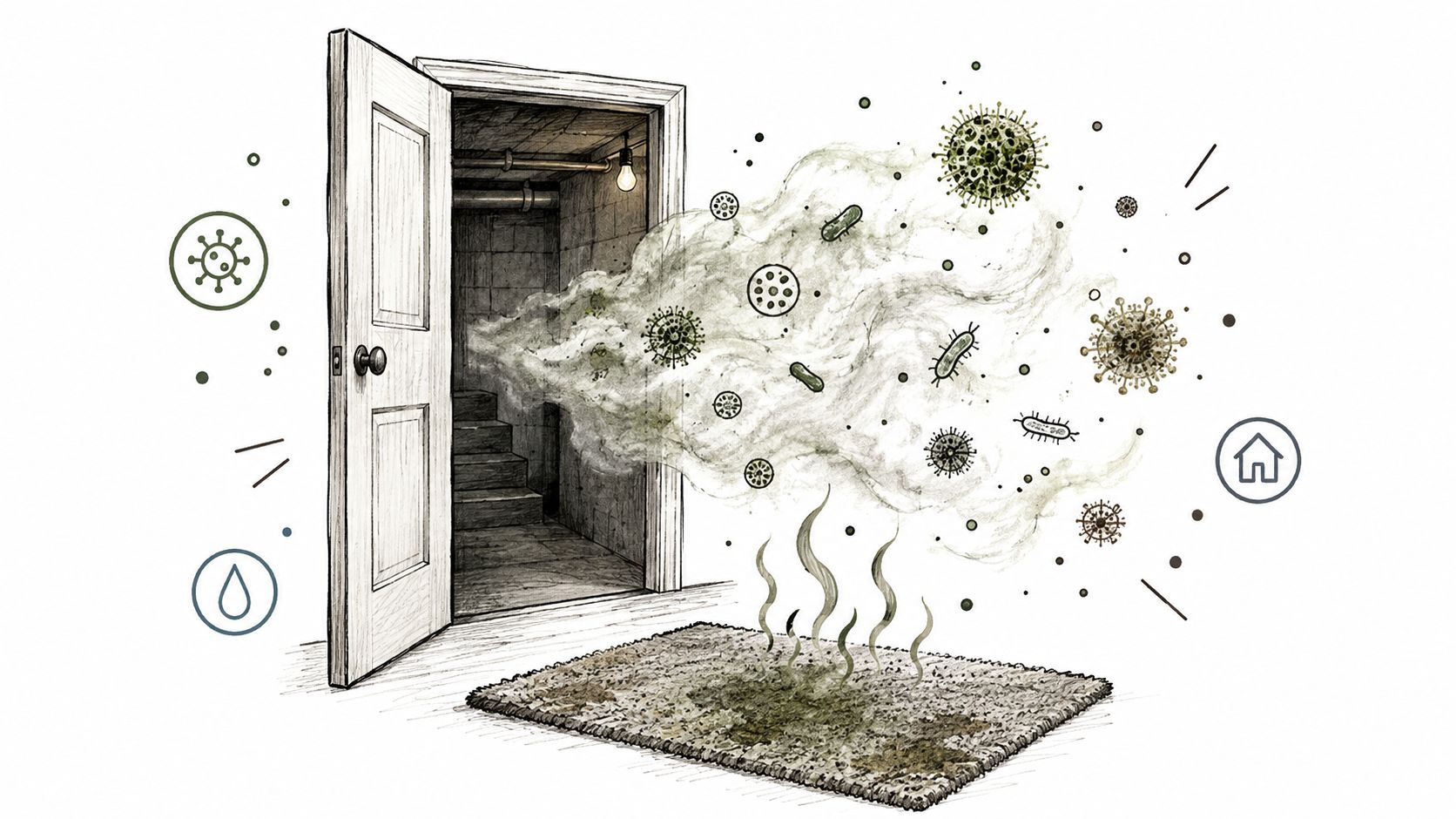
You notice it when you open the basement door, step into a closet, or walk past the room where a pipe leaked. The carpet may look almost normal, but a heavy, swampy smell hangs in the air. Spraying air freshener only makes the room smell like perfume and mildew.
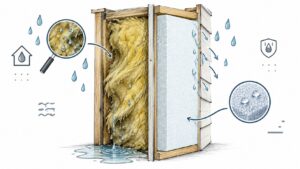
The odor usually isn't trapped in the carpet fibers alone. Water can remain in the padding, carpet backing, tack strips, subfloor, baseboards, and wall cavities, where surface cleaning can't reach it. The reliable way to remove wet carpet smell is to find that hidden moisture, remove it, and then clean or replace materials that stayed contaminated.
Why Your Carpet Smells Like a Swamp
Musty odor has a source. When carpet stays damp, microbes can become active in the fibers or padding, producing the earthy smell people associate with mold and mildew. Carpet behaves like a layered sponge, so the visible face can feel dry while the backing and underlay remain wet underneath.
That hidden moisture explains a common failure pattern. A homeowner runs a household fan, sprinkles baking soda, and sprays a deodorizer. The smell fades briefly, then returns when humidity rises or someone walks across the carpet and presses moisture back toward the surface.
Practical rule: If the odor returns after cleaning, inspect below the carpet before applying another product.
Water-damage guidance identifies 24 to 48 hours as the critical drying window because mold can begin growing while materials remain damp. Restoration guidance on carpet water extraction also emphasizes that carpet dries unevenly, with the pad and subfloor often retaining moisture after the fibers feel dry.
Why surface fixes disappoint
A fragrance doesn't remove water. Vinegar and baking soda may help with a minor, already-dry surface odor, but neither can dry saturated padding or correct moisture inside a subfloor. Extra liquid cleaner can make the situation worse by adding moisture to an assembly that already can't release it.
Persistent odor is therefore a diagnostic clue, not merely a cleaning challenge. Inspection guidance on carpet mold explains that smells can originate in the backing, padding, and subfloor, and that flooded or standing-water-exposed carpet often needs disposal when drying and cleaning cannot restore it.
The question isn't only, “How do I make the smell disappear today?” It's, “Where is the moisture still hiding?” That shift prevents wasted effort and helps you decide whether the carpet can be dried in place or needs to be opened up and removed.
Immediate Actions to Stop the Damage
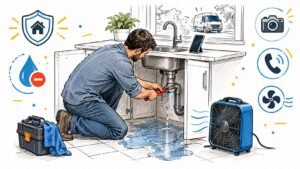
Start with safety and source control. If water is near outlets, appliances, or electrical wiring, don't enter the area until power has been safely isolated. Shut off the supply valve for a plumbing leak, stop an overflowing appliance, or address the entry point for groundwater before extracting carpet.
Then work quickly through the affected area:
- Remove movable items. Take furniture, boxes, rugs, and curtains out of the room. Wet contents can release moisture back into the air and block airflow across the floor.
- Extract pooled water. Use a wet/dry vacuum or pump designed for water. A standard household vacuum isn't built for liquid and can create an electrical hazard.
- Lift an accessible carpet edge. Use pliers to pull back a corner near a wall, then inspect the pad and floor below. Don't cut randomly through the carpet, since sections may be restretched if the material remains salvageable.
- Separate saturated padding. If the pad is soaked, compressing it with towels won't solve the problem. It may need to be removed so the subfloor can dry.
- Begin airflow immediately. Position fans or air movers so air travels across and beneath the carpet where possible, rather than just blowing upward.
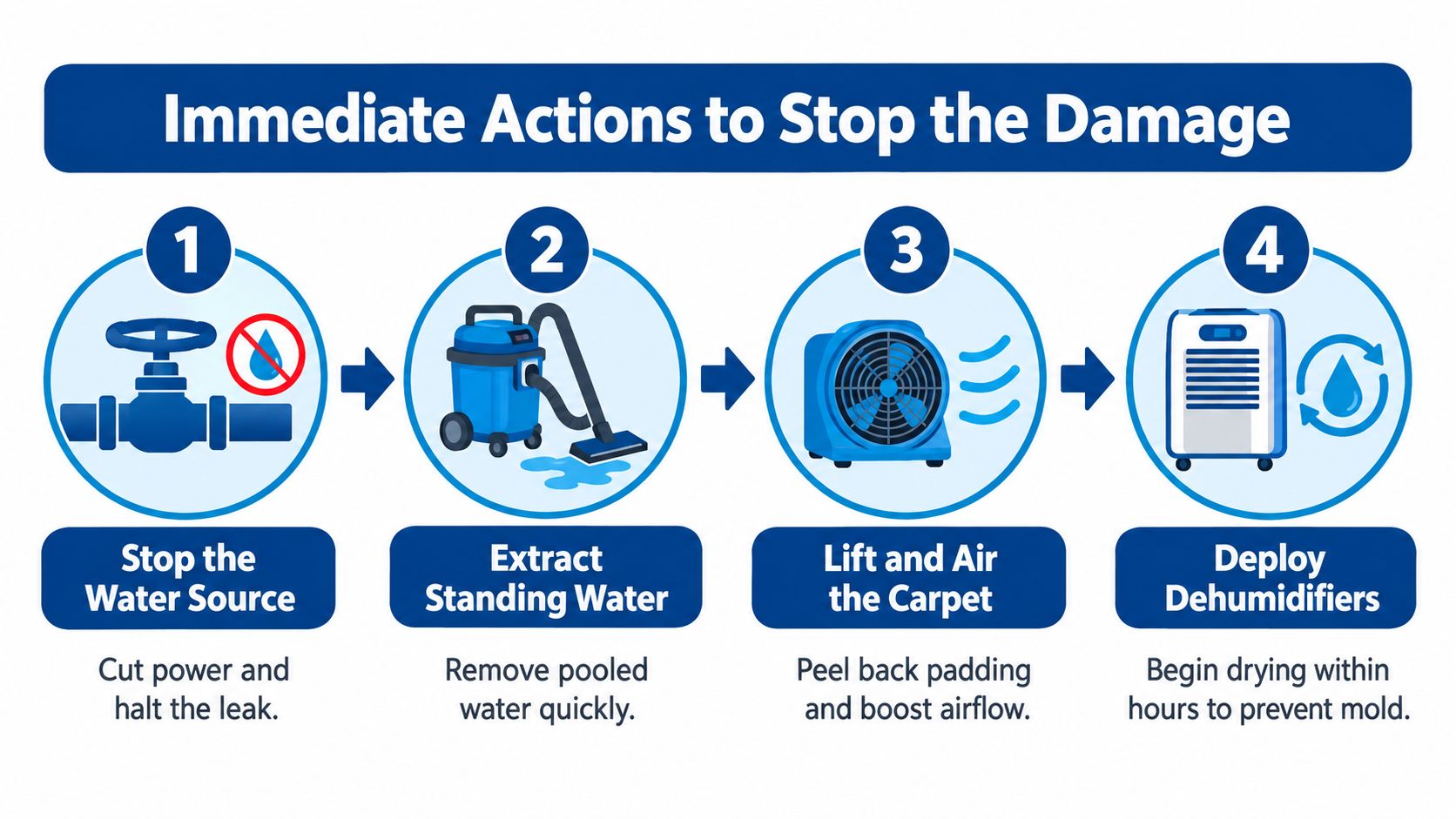
The drying target matters more than how dry the surface feels. CDC environmental-services guidance recommends bulk extraction first, followed by air movement and dehumidification. It also says damp carpeting should ideally be removed within 72 hours if it can't be dried effectively.
Match the response to the water
Clean water from a supply line is a different risk from water containing sewage, drain waste, or flood contaminants. Gray or black water can carry contamination into carpet, padding, and the subfloor, so don't treat it as an ordinary spill.
Keep people and pets away from affected material until you know what entered the carpet. If the source is uncertain, the water has spread beneath walls, or the padding is fully saturated, stop the DIY process after basic extraction and arrange an assessment.
Speed gives you options. Delay turns a drying job into a contamination and reconstruction problem.
Drying Techniques That Actually Work
Air drying alone is unreliable for saturated carpet. Evaporation only works when moisture can leave the carpet and the surrounding air can accept it. In a closed, humid room, a fan may move air without removing enough water to dry the pad or subfloor.
Use two types of equipment together:
- Air movers push a high volume of air across the carpet surface and into exposed edges. Aim the airflow along the floor, not directly down into one small spot.
- Dehumidifiers remove moisture from the room air, allowing more water to evaporate from carpet and building materials. Guidance for flood recovery commonly uses a dehumidifier with air movement and keeps indoor humidity controlled.
For a more detailed explanation of equipment placement and moisture removal, see this guide to a dehumidifier for flood damage.
Build a drying zone
Close the affected room when practical, but don't seal it without dehumidification. Open the carpet edge or remove wet padding so air can reach the underside. Place the dehumidifier where it can circulate air through the room, and keep doors and windows managed according to outdoor humidity. Bringing humid outdoor air into a damp room can slow progress.
Move furniture away from the wet area and raise remaining legs on suitable blocks if the flooring can support them. Avoid hair dryers, heat guns, and intense direct heat. They can damage carpet fibers, set stains, or dry the surface while leaving deeper layers wet.
Check more than the face of the carpet. Press a dry towel against the backing, feel the pad, and inspect the subfloor near walls and seams. A moisture meter can help compare affected areas with a dry section of the same floor, but readings are useful only when interpreted alongside visible conditions and the building materials involved.
Drying is complete when the carpet assembly and surrounding structure are dry, not when the room merely smells better.
Maintain indoor relative humidity in the 30% to 60% range, as recommended in restoration and inspection guidance. If the smell intensifies when the room is closed, or the pad remains cool and damp, the drying system isn't finished. Continue extraction and dehumidification, or bring in equipment capable of reaching the concealed layers.
Deep Cleaning and Odor Neutralization
Clean only after the hidden moisture is gone. Shampooing a damp carpet can push water deeper into the backing and pad, while deodorizer may mask the warning sign without correcting the source. Once the carpet assembly and surrounding structure are dry, determine whether the remaining odor comes from surface residue or contamination below the carpet.
A small clean-water spill extracted promptly may respond to vacuuming and a controlled cleaning pass. Choose a product labeled for the carpet fiber, follow its dilution instructions, and extract thoroughly instead of soaking the area. If cleaning adds moisture, restart air movers and dehumidification until the affected layers are dry.
Choose treatment by material and source
Baking soda may reduce a mild odor on a dry surface, but it cannot treat saturated padding. Vinegar also cannot replace extraction, and either product adds a moisture problem when applied to damp carpet. Enzymatic cleaners can help with specific organic residues, provided they are compatible with the carpet and used after the water source has been corrected.
Odor that returns often points to contaminated or saturated pad beneath the carpet face. Guidance on wet-carpet odor causes and cleanup explains that padding can retain moisture longer than carpet and may require replacement if it cannot be dried promptly. The same guidance cautions against applying baking soda, vinegar, or neutralizers while the carpet remains damp.
Floodwater changes the treatment decision. Carpet, pad, and subfloor may require cleaning, disinfection, or removal based on the water category and exposure. Bleach is not a catch-all treatment for porous carpet. Moisture control and removal of affected materials address the source more reliably than harsh chemicals alone.
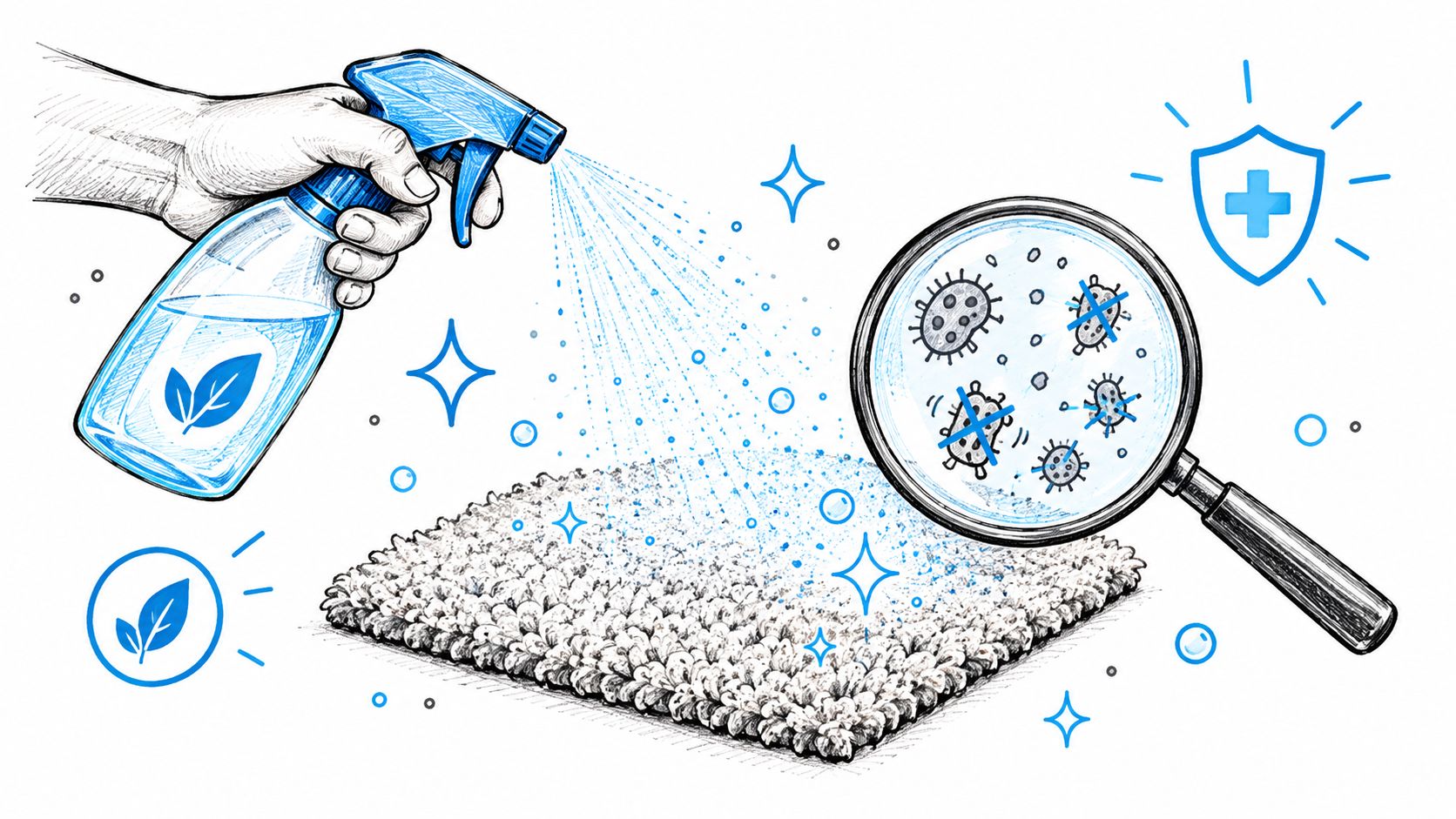
For professional source correction and odor treatment, review microbial prevention and deodorization services. The sequence is practical: remove contaminated material when required, dry the structure, clean compatible surfaces, then deodorize after the trapped moisture and contamination have been addressed.
When to Call Professional Restoration Experts
DIY extraction makes sense for a small, clearly identified clean-water incident when you can reach the affected layers and dry them promptly. It becomes a poor gamble when the carpet is soaked across a room, the pad is saturated, or the water has moved below baseboards and into walls.
Use these warning signs to make the decision:
- The odor survives proper drying. A musty smell after the carpet, pad, and subfloor have been addressed points to hidden moisture, contamination, or microbial growth.
- The water was gray or black. Sewage backups, floodwater, and other contaminated sources require more than household carpet cleaning.
- The pad is saturated or deformed. Padding can hold water and release odor even when the carpet face looks acceptable.
- The room stayed wet beyond the drying window. EPA mold-course guidance advises investigating damp or musty odors for moisture or mold and removing or replacing wet carpet or padding that can't be dried quickly.
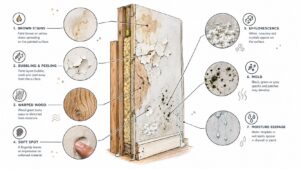
- Building materials feel soft or swollen. Spongy subfloors, damaged baseboards, staining, or damp drywall indicate that the carpet isn't the only affected material.
- You can't work safely. Electrical exposure, uncertain water origin, restricted access, or suspected hazardous materials are reasons to stop.
Professional restoration uses more than a larger fan. Technicians can trace the water path, inspect concealed areas, extract from multiple layers, and monitor drying progress across carpet, pad, subfloor, and wall materials. They can also document conditions for property owners, managers, and insurance claims.
RestoTek TX provides water extraction, structural drying, microbial prevention, deodorization, and related repair services for properties in Georgetown, Austin, and surrounding Central Texas communities. The right provider should explain what can be dried, what must be removed, and why, rather than promising that a fragrance treatment will solve a wet-material problem.
Preventing Future Carpet Odors
Prevent odors by controlling water before it reaches the carpet pad. Repair leaks promptly, keep access around appliances and exterior walls, and extract spills instead of repeatedly wiping the surface. After storms or plumbing problems, inspect closets, room edges, and flooring beyond the visible mark. Moisture can travel underneath carpet and settle in the pad or subfloor, where a clean-smelling surface may hide a developing odor.
Keep indoor relative humidity around 30% to 50%, and below 60%, with ventilation or dehumidification as needed. Public-health moisture guidance recommends correcting the moisture source rather than depending on cleanup products. Fragrance can cover an odor while trapped water continues affecting materials below.
Make hidden areas easy to check
Leave space around water heaters, washing machines, sinks, and HVAC equipment. Mark shutoff valves and keep a wet/dry vacuum ready for small clean-water spills. Remove excess water immediately, lift a carpet edge if the pad may be wet, and start airflow before odor develops.
Use this practical guide on preventing mold after water damage. It covers steps for limiting moisture after leaks and overflows.
Apply the drying window discussed earlier. Act on hidden moisture immediately instead of adding fragrance or more liquid cleaner. If odor persists, pull back the carpet, inspect the pad and subfloor, and address the wet material itself.
RestoTek TX offers emergency water extraction, structural drying, microbial prevention, deodorization, and repair in Georgetown, Austin, and nearby Central Texas communities. Visit RestoTek TX if persistent odor or concealed moisture requires inspection.