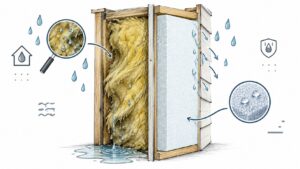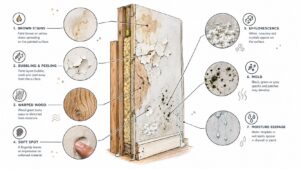
A sudden Central Texas downpour can turn a quiet basement into a warning system. After the rain stops, you may notice a musty smell near the stairs, damp cardboard along an exterior wall, or a cool, clammy feeling that wasn't there earlier. In Austin, Georgetown, and nearby communities, expansive clay soil, heavy rainfall, flash flooding, and long humid stretches can push moisture toward a foundation from several directions.
Mold prevention in a basement isn't mainly about finding the right cleaning spray. Mold control is moisture control. The U.S. EPA recommends keeping indoor relative humidity below 60%, ideally between 30% and 50%, because higher humidity increases condensation and mold risk. The EPA also identifies seepage through basement floors and water entering from outside as important moisture pathways. The EPA-based basement mold guidance supports the practical approach used by restoration professionals: stop bulk water, control humidity, and respond quickly when materials get wet.
That Familiar Damp Smell After a Texas Rain
You close the door after a storm and head downstairs to check the freezer. The basement looks normal at first. Then the smell reaches you, earthy, stale, and slightly sour. A box near the wall feels soft underneath, while a dark line has appeared where the concrete floor meets the foundation.
Joan and Josh Garza, who operate RestoTek TX as a family business serving Georgetown, Austin, and surrounding Central Texas communities, have seen this pattern repeatedly. The visible odor or damp spot is often only the easiest part of the problem to find. Water may have traveled through a foundation crack, entered at a plumbing penetration, collected beside the footing, or condensed on a cold surface after humid air moved into the basement.
Practical rule: A musty smell after rain is a reason to investigate moisture, not a reason to mask the odor.
Central Texas homes face a difficult combination. Heavy storms can overwhelm gutters and drainage paths quickly. Expansive clay soil changes volume as it gains and loses moisture, which can increase pressure against foundation walls and contribute to movement around cracks. Humid outdoor air can also create condensation when it meets cool basement concrete, pipes, windows, or ductwork.
A dry-looking basement isn't automatically a safe basement. Mold can begin in hidden spaces, behind stored belongings, beneath flooring, or inside porous materials that don't dry quickly. Cardboard, drywall, wood, insulation, books, and textiles can hold moisture close to their surfaces and create conditions that support growth.
The most reliable mold prevention basement plan starts with a simple question: Where is the moisture coming from? Once you identify that pathway, you can choose the right response instead of relying on a dehumidifier, waterproofing paint, or repeated surface cleaning to manage a problem that keeps returning.
Uncovering the Root Causes of Basement Mold
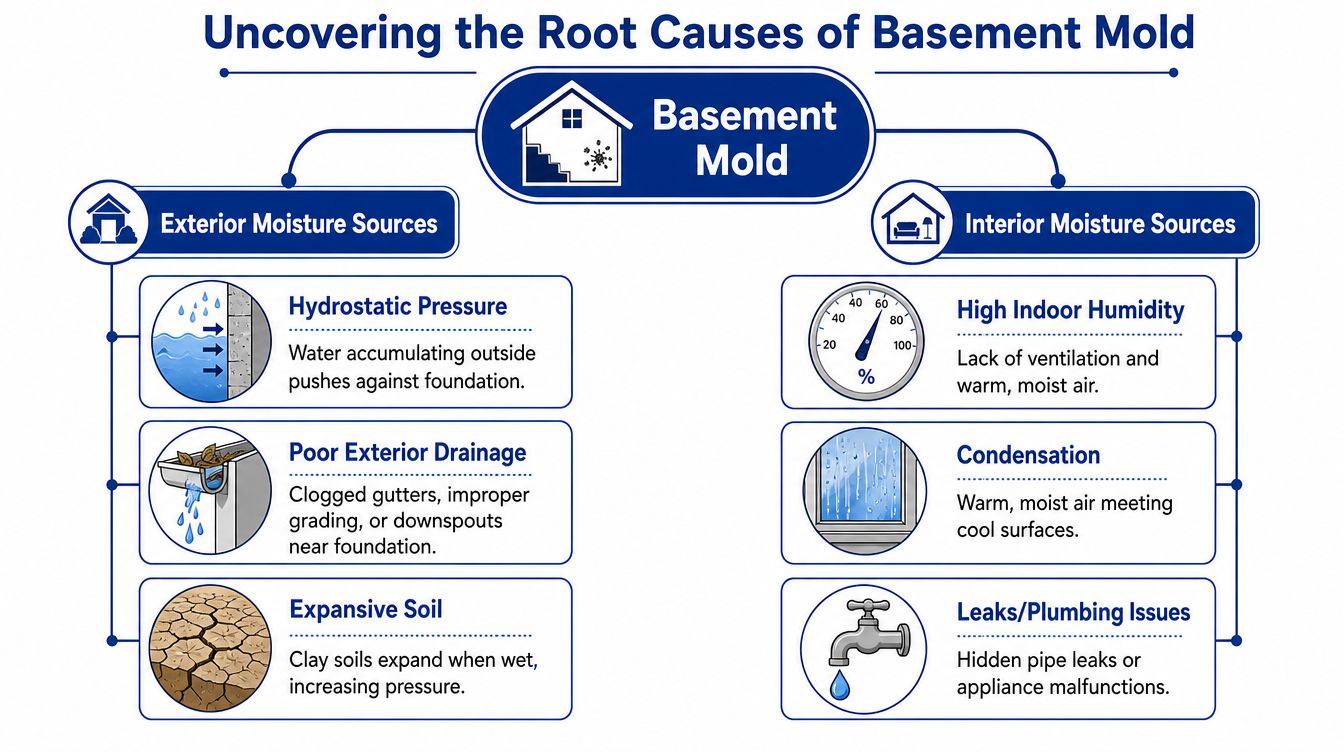
A basement can develop mold after one storm, then keep the problem hidden for weeks. In Central Texas, moisture may enter through the foundation, collect in saturated clay, come from plumbing, or condense on a cool surface. Several pathways can operate at once, so repairing only the visible spot often leaves the source active.
How Central Texas soil puts pressure on foundations
Expansive clay absorbs water during wet weather and shrinks as dry conditions return. That movement can press against foundation walls, create gaps beside the structure, or alter the way water drains around it. During heavy rain, water held in the soil creates hydrostatic pressure, the force that pushes against the foundation and seeks weak points.
Common entry points include wall cracks, the wall-to-floor joint, pipe penetrations, window wells, and porous masonry. Water does not need a large opening to support mold. Repeated dampness around a narrow crack or cold concrete surface can keep drywall, wood, insulation, or stored belongings wet.
Exterior drainage problems increase that pressure. Clogged gutters, short downspouts, and soil that slopes toward the home can direct roof runoff into the foundation zone. Water may then seep through basement walls or floors, a pathway described in the EPA-based explanation of basement moisture and mold prevention.
Why surfaces matter more than room comfort
A basement may feel comfortable while one wall, pipe, or stored item stays wet enough for mold to grow. Warm, humid air meeting a cold surface produces condensation. In Central Texas, that can occur on uninsulated pipes, concrete walls, metal ductwork, windows, and the underside of stored materials.
Room humidity readings describe the air, but surface relative humidity may be higher at cold locations. Building Science Corporation guidance identifies surface RH at 70% or higher as a level that can contribute to mold, corrosion, and decay. Newer ASHRAE 160-2021 criteria use running averages to quantify moisture exposure for susceptible materials. The technical discussion of surface humidity and mold growth explains why repeated dampness matters even without standing water.
The materials most likely to hold moisture
Concrete and metal do not hold moisture or provide the same food source as paper-backed drywall, wood, cardboard, carpet, and fabric. Porous materials absorb water and may remain damp after the surrounding air feels dry. A cardboard box pressed against a foundation wall can develop mold before the bare concrete shows a visible change.
Use these clues during an inspection:
- Damp cardboard or paper: Stored materials can reveal high moisture before the room does.
- Condensation on pipes or windows: Droplets show that humid air is contacting a cold surface.
- Efflorescence on concrete: White, powdery salts suggest moisture is moving through masonry, although efflorescence itself is not mold.
- Recurring odors: A musty smell can point to hidden damp materials, wall cavities, flooring, or crawlspace moisture.
Identify whether the source is exterior water, indoor humidity, condensation, or a plumbing leak. Each requires a different correction. Cleaning visible growth without fixing the moisture pathway treats the symptom and leaves the basement vulnerable after the next Central Texas storm.
Your First Line of Defense Managing Exterior Water
The most effective exterior fix is usually the least glamorous. Keep rainwater away from the foundation before it becomes basement water. A dehumidifier can manage indoor air, but it can't correct a downspout that empties beside the wall or soil that funnels runoff toward the house.
Start with the roof drainage system
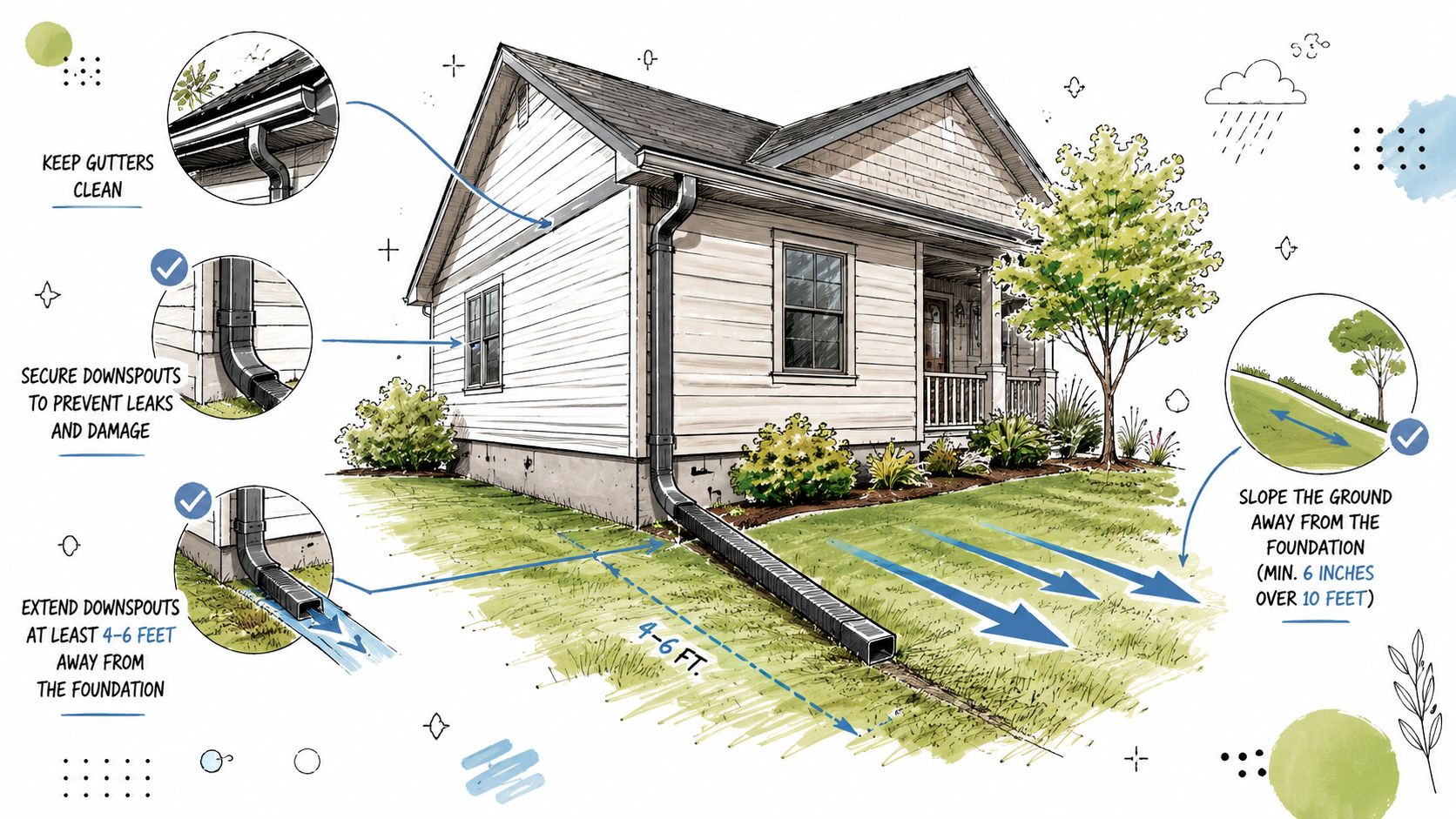
Inspect gutters after heavy storms and whenever leaves or roof debris collect. A gutter that overflows near a corner can saturate the soil beside the foundation, even if the rest of the system appears to work. Check for sagging sections, loose joints, separated end caps, and water stains on the fascia.
Downspouts need a safe discharge route. Extensions, splash blocks, or buried drainage lines should carry water away from the foundation rather than releasing it at the base of the wall. The correct distance depends on the property, grade, outlet, and drainage design, so don't assume a short extension is sufficient merely because it moves water a few feet.
Correct the ground around the house
Walk the perimeter during or shortly after rain. Watch where water collects, where soil stays dark, and whether edging or mulch holds water against the foundation. Settled backfill can create a shallow basin beside the wall, especially around newer construction or areas disturbed by utility work.
Central Texas clay makes this inspection especially important. Soil that expands when wet can increase pressure against the foundation, while movement and drying can open pathways around cracks. Correcting grade may involve adding compatible soil, reshaping planting beds, or modifying hardscape so water drains away instead of toward the basement.
Use this priority order
Handle simple maintenance before considering major waterproofing work:
- Clear gutters and roof drains: Remove debris and repair leaks so roof runoff reaches the downspouts.
- Inspect every downspout outlet: Confirm that water doesn't discharge directly beside the foundation.
- Study the grade: Correct low areas and outdoor features that direct water toward the home.
- Check window wells and exterior penetrations: Remove debris and look for seepage around frames, pipes, and utility entries.
- Seal appropriate cracks: A stable, narrow crack may be repairable, but recurring or widening cracks need evaluation.
- Consider drainage systems: French drains, exterior waterproofing, or other systems may be appropriate when surface controls don't solve recurring water pressure.
Technical guidance places source control before air treatment, including gutter maintenance, downspout management, and positive grading. It also warns that mold-friendly conditions can develop within 24–48 hours after wetting events when moisture isn't removed promptly. This basement humidity and drainage guidance explains why drying and exterior correction should begin quickly.
For a broader storm-readiness plan, review RestoTek TX's guide to stopping basement flooding. If water still enters after these steps, don't keep adding sealant to the interior wall. Repeated seepage may require a drainage design that addresses water pressure rather than only addressing its visible effects.
Controlling Indoor Humidity and Air Quality
After a Central Texas storm, basement moisture can remain high even when no water is visibly entering. Warm outdoor air, laundry, plumbing leaks, cool foundation surfaces, and HVAC conditions all contribute. Expansive clay soil and flash flooding can also leave surrounding structures damp, increasing the load on indoor drying equipment.
Measure the air before adjusting equipment
Place a digital hygrometer in the main basement area, then check separate problem locations. A finished room may show different conditions from a storage room, laundry area, or space beside the sump pit. Record readings during humid weather and after heavy rain instead of relying on how the room feels.
Indoor relative humidity should stay below 60%, with 30% to 50% generally preferred for mold control. As noted earlier, moisture control remains the foundation of prevention. For many Central Texas basements, 45% to 50% RH is a practical operating target if the system can maintain it without causing other problems.
Set up the dehumidifier for continuous control
Choose a unit suited to the basement's size and moisture load. A full bucket that shuts the machine off works against continuous humidity control. Whenever possible, connect the condensate line to a suitable drain, or use a condensate pump that sends water to an approved discharge point.
Clean the filter according to the manufacturer's instructions. Keep air openings clear, leave room around the unit, and check that the drain line does not kink or back up. If the machine runs constantly while humidity remains high, investigate seepage, plumbing, ductwork, crawlspace moisture, or outdoor air leakage before buying a larger appliance.
After a flood or major water loss, RestoTek TX's dehumidifier support for flood damage can help with drying-related work.
Reduce condensation at cold surfaces
Insulate cold water pipes where condensation forms. Plumbing wraps work only when they fit tightly and stay dry. Inspect air-conditioning lines, metal ductwork, basement windows, and uninsulated foundation areas for damp surfaces or recurring droplets.
Keep basement windows closed during muggy weather. Outdoor air may feel fresh, but it can add moisture to a cool room and cause condensation on concrete, pipes, and stored belongings. Controlled dehumidification is usually more reliable than summer ventilation in Central Texas.
Treat the sump system as part of air quality
A sump pit should have a secure lid instead of remaining open to the basement. The cover limits moisture vapor and odors, while the pump removes collected water when the system is designed to receive it. During storm season, inspect the discharge route, clear obstructions, and confirm that the pump can operate safely.
A sump pump does not correct exterior drainage, and a dehumidifier does not repair a leak. Use each tool for the condition it can address, then investigate any moisture that continues.
A Year-Round Basement Maintenance Checklist
Basement mold prevention is easier when inspections happen before a crisis. Central Texas weather can shift from dry conditions to intense rain quickly, so seasonal routines should focus on both water entry and indoor humidity. A short inspection after a major storm is more useful than waiting for a smell or stain.
Seasonal Basement Mold Prevention Checklist
| Season | Key Tasks |
|---|---|
| Spring | Clear gutters and downspouts, inspect grading for erosion or settled soil, check window wells, and look for seepage after heavy rain. |
| Summer | Monitor hygrometers during humid weather, keep basement windows closed when outdoor air is damp, check dehumidifier filters and drainage, and inspect cold pipes for condensation. |
| Fall | Remove leaves from gutters and drainage paths, check downspout outlets before storms, move cardboard away from exterior walls, and inspect stored belongings for dampness. |
| Winter | Look for plumbing leaks, sweating pipes, foundation staining, and equipment discharge problems. Keep mechanical areas accessible for inspection. |
Build a storm inspection habit
After a significant downpour, walk the basement perimeter with a flashlight. Check the wall-to-floor joint, corners, plumbing penetrations, window areas, and the space behind stored boxes. Feel cardboard bottoms and wood shelving, but don't reach into standing water near electrical equipment.
A small log helps reveal patterns. Write down the date, weather condition, hygrometer reading, dehumidifier status, and any visible moisture. You may discover that the problem appears only after wind-driven rain, only when the dehumidifier's bucket fills, or only when a particular downspout overflows.
A useful maintenance record turns a vague basement complaint into a solvable pattern.
Keep storage from hiding the evidence
Use plastic containers with secure lids for paper, clothing, and seasonal decorations. Keep containers off the floor and leave space between stored items and foundation walls so air can circulate. Don't place cardboard directly on the slab or allow furniture to block wall surfaces that need inspection.
Check the dehumidifier's drain line and filter as part of the same routine. If the equipment runs but the humidity reading doesn't fall, treat that as a diagnostic signal. The unit may be undersized, the drain may be blocked, or an active moisture source may be overwhelming the system.
Track changes rather than chasing one reading
Humidity varies with weather, room use, and temperature. A single acceptable reading doesn't prove the basement stays dry through the season. Look for persistent elevation, repeated condensation, recurring odors, and materials that remain damp after the air seems comfortable.
A maintenance routine should also include plumbing fixtures, water heaters, washing machines, HVAC condensate lines, and nearby bathrooms. Small leaks can keep a basement humid even when the foundation is performing normally.
When to DIY and When to Call the Pros
Homeowners can handle some small, visible mold problems when the area is contained, the moisture source is clear, and the affected material is a cleanable non-porous surface. The commonly used DIY boundary is a contained area of less than 10 square feet, but size isn't the only factor. Hidden growth, contaminated water, recurring moisture, and health concerns can make a seemingly small job unsafe or incomplete.
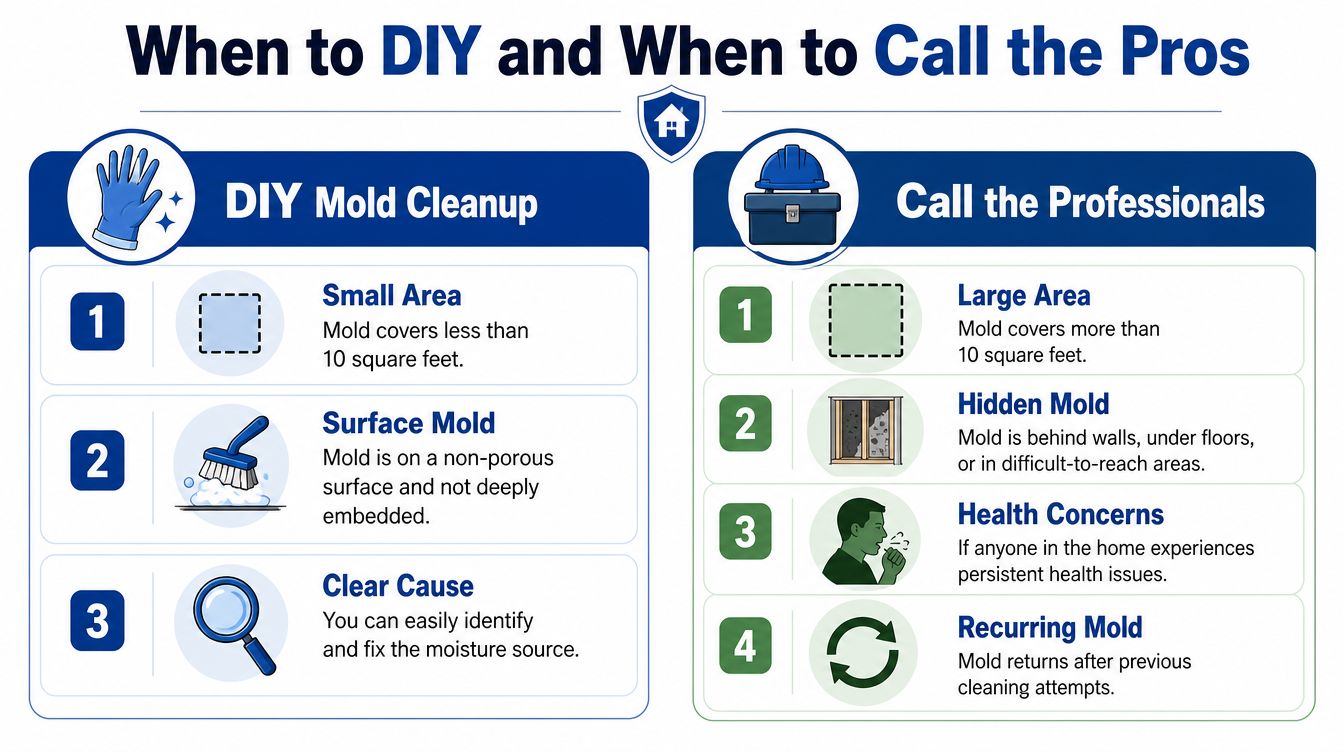
DIY may fit when
- The area is small and contained: You can clearly define the affected surface without opening walls or removing flooring.
- The material is non-porous: Glass, metal, and hard plastic can often be cleaned more effectively than drywall, insulation, carpet padding, or cardboard.
- The moisture source is fixed: Cleaning won't help if a leak, seepage path, or condensation problem remains active.
- No contaminated water is involved: Sewage and floodwater require a different level of protection and handling.
Call for professional help when
- Mold is widespread: Growth extends beyond a small, contained surface or affects several materials.
- The source isn't visible: A persistent musty smell may indicate hidden mold behind walls, under floors, or inside cavities.
- The problem returns: Recurrence usually means the moisture pathway wasn't corrected.
- Floodwater or sewage is involved: Contaminated water can create risks that ordinary household cleaning doesn't address.
- Someone has health concerns: Keep vulnerable occupants away from the area and seek qualified guidance.
Professional assessment can include moisture mapping, inspection of concealed areas, water-loss evaluation, drying, microbial prevention, and reconstruction when materials cannot be saved. For an evaluation focused on identifying moisture pathways and possible mold, homeowners can request a professional mold inspection.
RestoTek TX helps Georgetown and Austin homeowners investigate basement moisture, respond to storm and plumbing water losses, complete structural drying, and address microbial concerns through inspection, mitigation, and repair. If your basement smells musty after rain or keeps showing damp spots, visit RestoTek TX to request guidance and take the next step before a small moisture problem spreads.